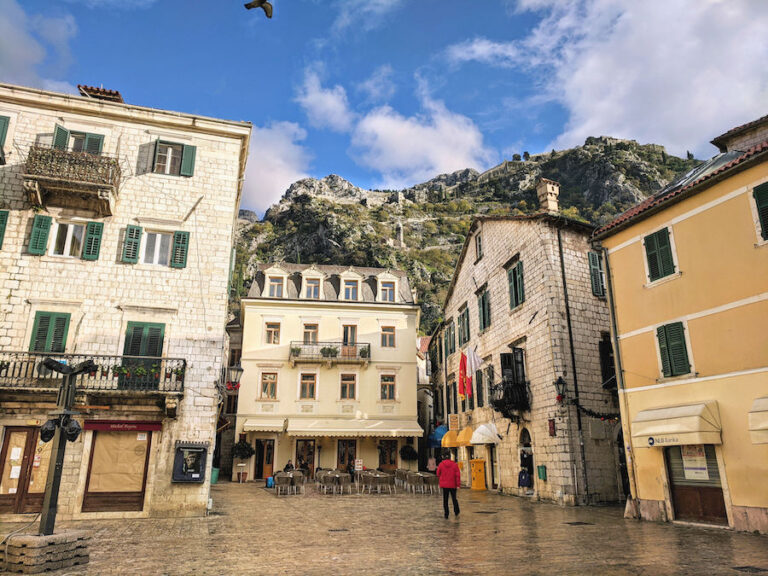
The 5 Best Things We Did in Portugal: Beyond Lisbon and Porto
Portugal is a popular European destination for good reason. If you’re wondering how to spend your Portugal trip, our recommendations will help you avoid over-crowded sites so you can experience the best this country has to offer.
We’ve spent over three months living and traveling in Portugal, and this post covers five things that consistently delivered the most rewarding experiences for us.
Updated: October 2026. Originally published: February 2025.
Table of Contents
What Are the Best Things to Do in Portugal?
In our opinion, the best things to do in Portugal include exploring off-the-beaten-path tours in Lisbon and Porto; visiting smaller towns like Silves, Tomar, and Tavira; eating your way through local bakeries; hiking the Algarve coastline; and using the bus and metro to get around affordably.
Our Top Recommendations for Portugal Travel (and Video)
After spending about six weeks in Lisbon and (years later) dog-sitting for two months on the Silver Coast followed by a road trip in the Algarve, Portugal solidified itself as one of our favorite countries to explore.
Learn more about becoming an Intentional Travelers Toolkit member here>
We hope you enjoy Portugal travel as much as we do!
1. Try an Off-the-Beaten-Path Tour
Sadly, overtourism has become a challenging reality in Portugal’s top destinations. Especially in busy cities like Lisbon and Porto, you’ll want to stay off the beaten path to avoid crowds, long lines, and inflated prices.
Immersing yourself in markets, trying regional specialties, and connecting with locals will help you enjoy Portugal in a more intimate way.
We highly recommend the following tour companies in Portugal:
Culinary Backstreets (Porto and Lisbon)

Disclosure: This post contains affiliate links. If you make a purchase through one of our links, we may receive a small commission, at no additional cost to you. Thanks for your support!
Culinary Backstreets is perfect for foodies interested in the stories behind a city’s food culture. Their immersive food tours often deep dive into the culinary heritage of a neighborhood or theme.
Read our reviews here:
Culinary Backstreets Lisbon: Song of the Seas
Culinary Backstreets Porto: Beyond the Barrel
>> Use discount code INTLTRVL for 5% off any Culinary Backstreets tour! <<
We Hate Tourism & private guide Nuno (Lisbon)


The Lisboa region accounted for nearly a quarter of all national overnight stays in 2025, according to INE. Lisbon was unprepared for the influx of visitors in the last decade. While tourism saved the city in a way, it also got out of control.
We Hate Tourism is an alternative to cookie-cutter tours, letting you connect with local guides (your drivers) but giving you time to explore each site independently. That’s how we met Nuno, who also runs his own private tours.
Read our review here:
We Hate Tourism: Sintra and Cascais from Lisbon
2. Explore Smaller Towns and Cities
While Lisbon, Porto, Sintra, and the Algarve beaches are popular for a reason, they often draw huge crowds. Instead, take the time to explore Portugal’s smaller towns and cities where you can enjoy a more relaxed pace and authentic local vibe.
Getting around in Portugal is fairly easy. You can travel the country by bus, rent a car, take a train, or join a day tour (we’ve done them all).
Our Favorite Small Destinations in Portugal
We based ourselves in Caldas da Rainha for several months over the winter, which allowed us to make many day trips.
We’ve narrowed down our favorite spots to the following towns and lesser-known cities, where we came across very few crowds.
Leiria

Located between Lisbon and Porto, Leiria is a medium-sized city that impressed us with its hilltop medieval castle and selection of restaurants.
Alcobaça

We were delightfully surprised by Alcobaça’s charm. Famed for its UNESCO-listed Alcobaça Monastery, there’s not a lot to do in this small town, but the colorful buildings and picturesque plazas are worth a stop if you’re in the area.
Tomar
In the heart of Portugal, near Fatima, Tomar‘s legacy revolves around the Knights Templar. We enjoyed a scenic walk through the Sete Montes Woods, wandering castle grounds, and exploring the town and market.
Caldas da Rainha

This town not far from the coast in western Portugal is where we stayed while dog-sitting. We can see why our friends chose to relocate to Caldas da Rainha! It’s beautiful, walkable, and has a great local vibe.
Caldas is known for having the longest-running outdoor produce market, therapeutic thermal springs, and ceramic artists.

There’s a big, spacious city park and forest in town, which is great for dog walking!
Silves

South in the hills of the Algarve region, Silves enchants visitors with its striking red sandstone castle, Moorish history, and outdoor cafes.
Loulé

Another picturesque town in the Algarve, Loulé is full of colorful buildings, historic sites, and a large local market. There are two nice walking routes posted in town to help you find the heritage sites or commercial districts.
Tavira

Located in the eastern Algarve, not far from the border with Spain, Tavira‘s lively center straddles a river. The small bridges, market, and cafes on the scenic waterfront are overlooked by castle towers.
And that’s not all…
Truly, the list of beautiful towns and small cities in Portugal could go on and on. Nazaré, Coimbra, Aveiro, Alenquer, Piodao, Aljezur, Salema – it just depends what you’re looking for.
While an individual town may not keep you occupied for a full day of sightseeing on its own, they can be combined into multi-stop day trips. These smaller locations also make for relaxing locations to base yourself while you explore neighboring destinations.
TIP: If you could use help finding your way around with Google Maps or uncovering local gems in new places, check out our traveler’s toolkit membership for step-by-step guidance, even if you’re “tech challenged”.
A Note on Lisbon, Porto, Sintra, and the Douro Valley
The big names are popular for a reason, and we’re not saying skip them. They are definitely still worth your time.
What we will say is: if those are your only stops, you’re missing a big part of what makes Portugal so rewarding. Build in at least a few days for the smaller towns and slower pace we describe above, and you’ll get a much fuller picture of the country.
Don’t want to drive? Do a full-day tour with a guide, or ride e-bikes through the natural park of Sintra-Cascais.
Book a Sintra Day Tour here >
3. Eat Portuguese Pastries!
If you’re a fan of bakeries, like we are, then Portuguese pastries will be a highlight of your stay.
We love the local bakery-coffeeshop culture, where you can sit down with an espresso or meia (like cafe au lait) and a pastry of your choice.
Pastel de nata custard tarts are the most iconic Portuguese pastry. They originated in the Belém district of Lisbon before the 19th Century and are now available throughout the country for under 2 euros each.
But there are also region-specific pastries. In many places, you can “upgrade” your selection into a light sandwich with cheese and/or meat.

Budget Tip: For a great deal, check out grocery stores like Lidl and Pingo Doce where traditional pasteles and other treats are even more affordable and still great quality.
4. Explore On Foot
Walks and hikes are our favorite way to get up-close-and-personal with a destination, plus it’s budget-friendly.

Portugal is home to several popular Camino routes and inn-to-inn hiking trails. Even if you’re not up for a multi-day walking tour, the hiking opportunities are fantastic in general.
Some of our favorites day hikes in Portugal are:
– Hiking around Sintra’s palaces
– The Algarve’s Seven Hanging Valleys trail
– The boardwalk on the coast of Lagos to Ponta da Piedade
– The boardwalk and beach at Sao Martinho do Porto
5. Take public transportation
While we did benefit from having a car in Portugal at times, tolls on the highways add up fast and gas isn’t cheap, so driving is not always the most economical choice.
Instead, consider the bus system between cities—it’s efficient, reliable, and you can easily book your tickets online.
Compare Portugal bus tickets on BookAway >>
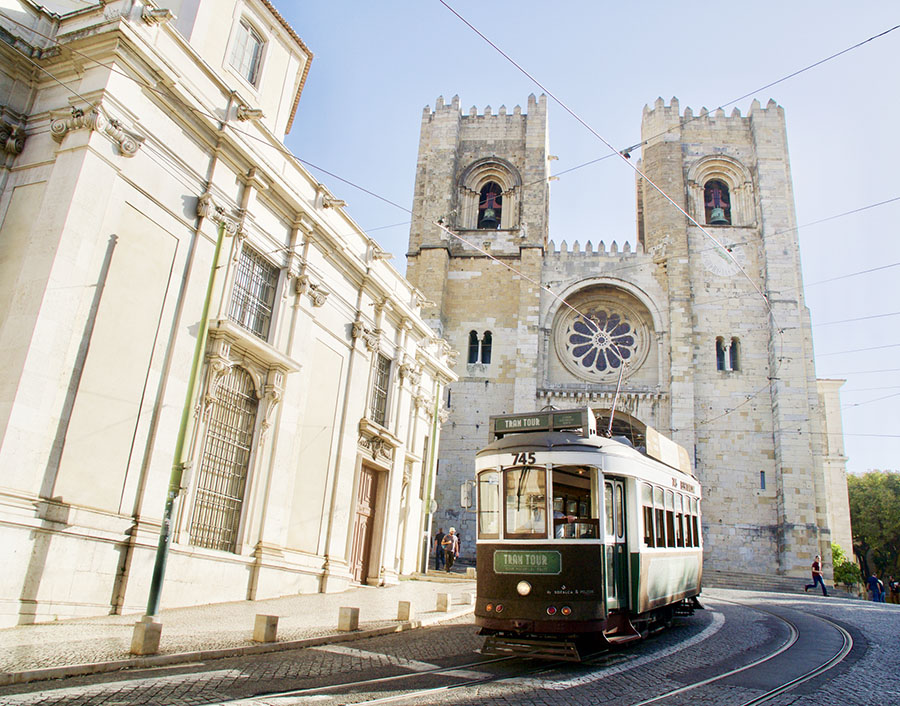
In Lisbon, the iconic street cars are a special way to see the city, although they can get pretty crowded in the tourist areas. For efficiency, the regular metro systems in both Lisbon and Porto can help you get around fairly easily.
TIP: If you could use help mastering Google Maps to navigate public transportation, translation apps to overcome language barriers, and online booking tools to find great flight and hotel deals, check out our Traveler’s Toolkit for courses that provide step-by-step guidance, no tech expertise required.
Best Portugal Travel Takeaways
- Skip the crowds: smaller towns beat main cities for value.
- Pastel de nata: under 2 euros each, found everywhere in Portugal.
- Bus travel between cities: efficient, cheap, bookable online.
- Best hiking: Algarve coast trails
- Combine 2-3 small towns into one rewarding day trip.
- Off-path food tours reveal a side of Lisbon and Porto most miss.
- Portugal rewards slow travel!
Portugal Travel FAQs
What Is Portugal Best Known For?
With about 30 million annual visitors, Portugal is known for its historic hilltop castles, azulejo tile-covered buildings, custard tarts (pastel de nata), fado music, and some of Europe’s most dramatic Atlantic coastline.
Lisbon and Porto are the two main cities most visitors head to first, but the country’s smaller towns, Algarve beaches, and wine regions like the Douro Valley are also fantastic travel destinations.
For us, what makes Portugal special is the combination of all of that, the relatively manageable crowds outside of touristy hotspots, its affordability, and the ease of travel around the country.
What should I not miss in Portugal?
Don’t miss the pastel de nata custard tarts (available everywhere for under 2 euros) and other Portuguese pastries, and visit at least one smaller town. Beyond the classics, an off-the-beaten-path food tour in Lisbon or Porto can introduce you to those cities in a deep and unique way.
How do you get around Portugal without a car?
Portugal’s bus system between cities is fairly efficient, reliable, and usually easy to book online. Lisbon and Porto both have metro systems that cover most tourist areas, and the iconic Lisbon street cars are a fun experience, though they get crowded near tourist spots. For day trips to smaller towns, taking trains or joining an organized tour are other practical option we’ve used without a car.
Are there good day trips from Lisbon or Porto?
Absolutely! From Lisbon, we enjoyed smaller towns like Sintra, Leiria, Alcobaça, and Tomar for great day trips, and each has its own distinct character. From Porto, the Douro Valley wine region is a popular and scenic choice.
Is Portugal good for hiking?
Yes, Portugal is excellent for hiking. The country has several popular Camino routes and long-distance trails, but as well as great short, scenic day hikes. Some of our favorites include the Algarve coast trails, the boardwalk from Lagos to Ponta da Piedade, and the boardwalk and beach at Sao Martinho do Porto.
Portugal’s compact geography means you can combine a hike with a town visit in the same day.
Is Portugal expensive to visit?
Portugal is historically one of the more affordable destinations in Western Europe. While prices have gone up in Lisbon and Porto, especially housing, pastries cost under 2 euros and grocery stores like Lidl and Pingo Doce have lower prices than you’ll find in North America.
The bus system is budget-friendly, and smaller towns generally have lower prices than Lisbon or Porto. Driving does add up quickly due to highway tolls and fuel costs, so the bus is often the better value.
What are Portugal’s best smaller towns to visit?
Based on our time living and traveling in Portugal, our favorite smaller towns include Silves (Moorish castle, outdoor cafes), Tavira (scenic riverside center in the eastern Algarve), Tomar (Knights Templar history, scenic woods), Leiria (medieval hilltop castle), Alcobaça (colorful buildings, picturesque plazas), Caldas da Rainha (markets, thermal springs, ceramics), and Loulé (market, walking routes, heritage sites).
Nazaré, Coimbra, Aveiro, and several others are also worth considering depending on your interests.
We hope this guide gives you some ideas for your own trip to Portugal! From historic towns to delicious food and scenery, there’s much to discover in this beautiful country.
Let us know in the comments if you’ve been to Portugal or if you have any recommendations of your own to share.
Read next:
– Self-Guided Walking Tour Itineraries for 3 Days in Lisbon
– What Not to Miss in Lisbon (On A Budget)
– Is the Lisbon Card worth it?
– Self Guided Hiking in Sintra Portugal
– Culinary Backstreets Porto Food Tour Review
Like this post? Pin it for later or share with friends!