Peru: Where to go beyond Machu Picchu (and what to know before you go)
Most first trips to Peru are planned around one thing: Machu Picchu. It’s on bucket lists for good reason. But it also comes with big crowds, rising prices, and tickets that need booking well ahead.
When Jedd and I spent over a month in Peru this Fall (their Spring), we skipped Machu Picchu on purpose.
I first visited Cusco about 20 years ago as a college student, so I knew how much there is to see and do beyond the most famous landmark. Much of it is less crowded and easier on the budget.
So in this post, we share where we went in Lima, Arequipa, Cusco, and the Sacred Valley, plus the practical things we’d want a friend to know before their first trip to Peru.
Quick summary: Peru beyond Machu Picchu
- 📍 Where we went: Lima, Arequipa, and Cusco, plus day trips to Pisac and Urubamba/Ollantaytambo
- ⛰️ Altitude tip: Start somewhere lower, like Arequipa or the Sacred Valley, before spending time in Cusco
- 🚌 Getting around: City buses (about 30 cents a ride), Uber, and a private driver for day trips
- 🍲 Eating well for less: Set lunch menus (menú del día) can be found for ~10 soles, or roughly $3
- 🎟️ Machu Picchu: Timed tickets often sell out weeks ahead, so book early if it’s on your list
Note: Prices mentioned below reflect costs at the time of our visit (Fall 2026) and may have changed.
Disclosure: This post contains affiliate links. If you make a purchase through one of our links, we may receive a small commission at no additional cost to you. Thanks for your support!
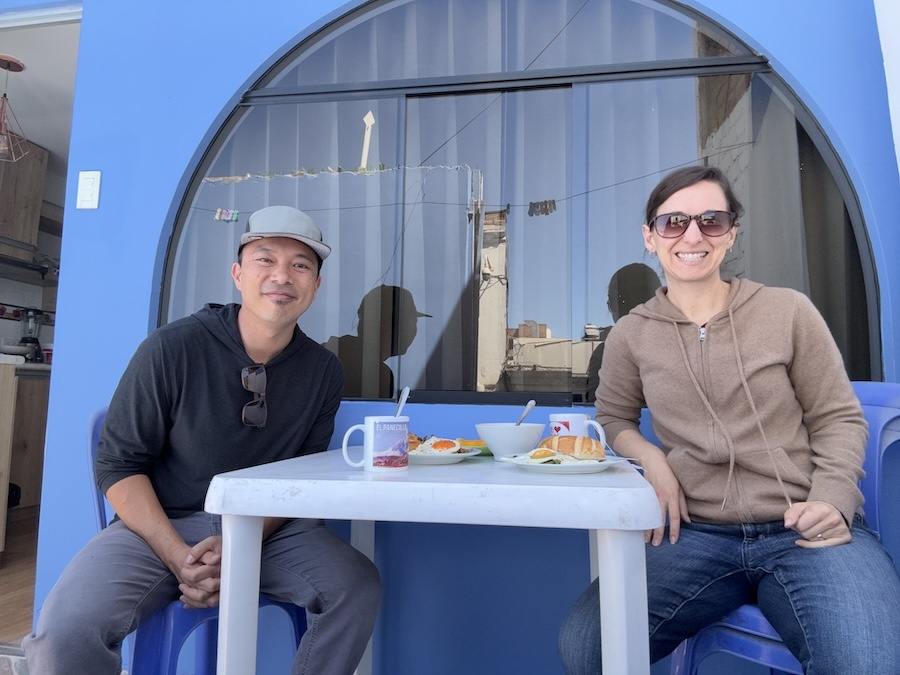
Why listen to us? We’ve been traveling full time since 2014, across 30+ countries on five continents. We spent over a month in Peru in October and November of 2026, mostly in longer stays rather than quick stops.
We’ve also spent many months in the Ecuadorian Andes, especially Cuenca.
Table of Contents
Our Peru itinerary
After my college trip to Cusco and the Sacred Valley, Peru stayed high on my list of places to return to once Jedd and I became digital nomads. We finally got our chance to experience Peru together in 2026.
We flew in and out of Lima on award tickets. Between cities, we took direct flights with LATAM.
- Lima – 2 nights in the Miraflores district (Hilton, paid with points)
- Arequipa – 1.5 weeks in the historic center (Airbnb apartment)
- Cusco – 3 weeks outside the center (Airbnb apartment), with day trips to the Sacred Valley
- Lima – 1 night (airport hotel, paid with points)
Our Peru Highlights Video
📱 Smartphone Savvy Travel course
✈️ Join our Intentional Travelers Toolkit Membership to travel smarter
Part 1: Where to go in Peru (beyond Machu Picchu)
Lima: An easy first stop
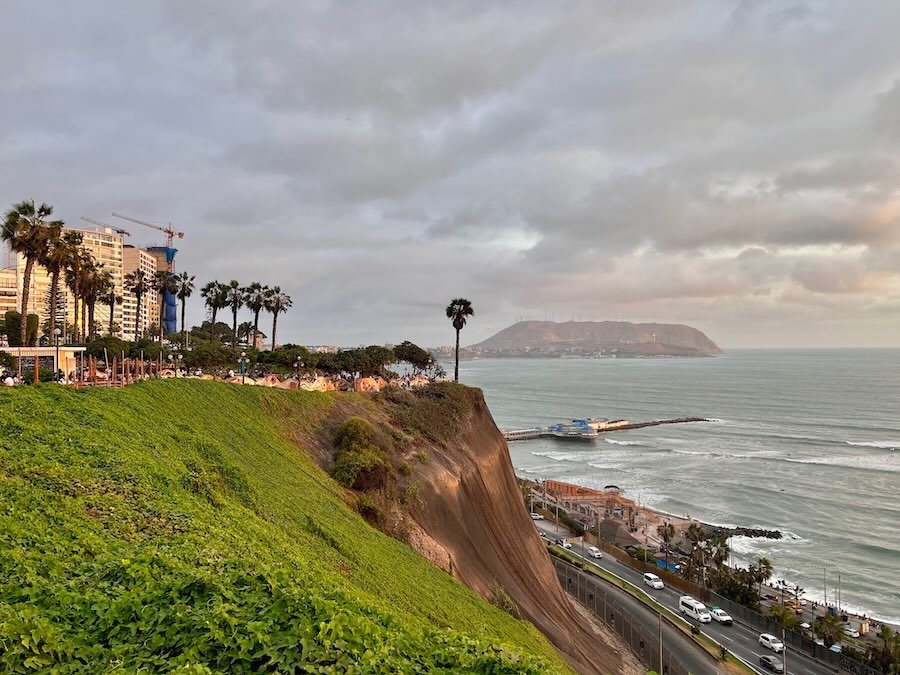
Lima was mostly a transit stop for us. Most international flights land here, so it’s a natural place to rest up before heading to the mountains.
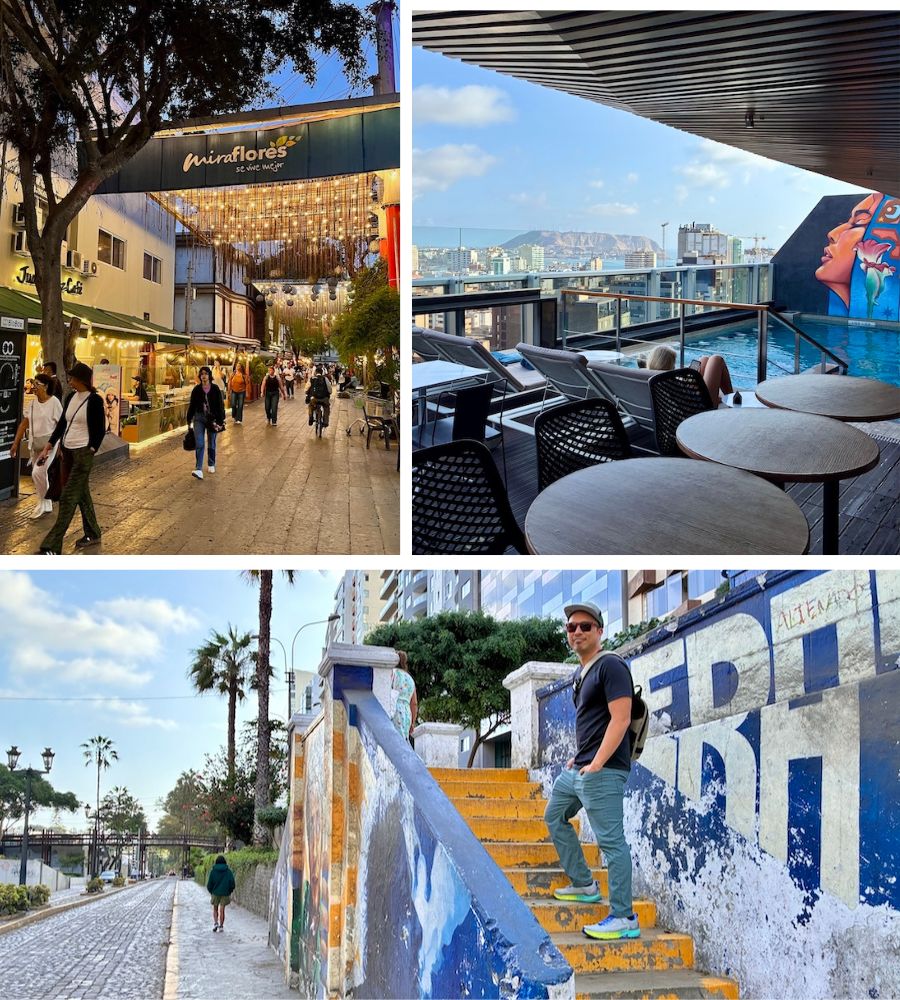
The Miraflores neighborhood is popular with visitors and interesting to walk around. It sits right on the coast, with lots of nicer shops and restaurants with outdoor seating.
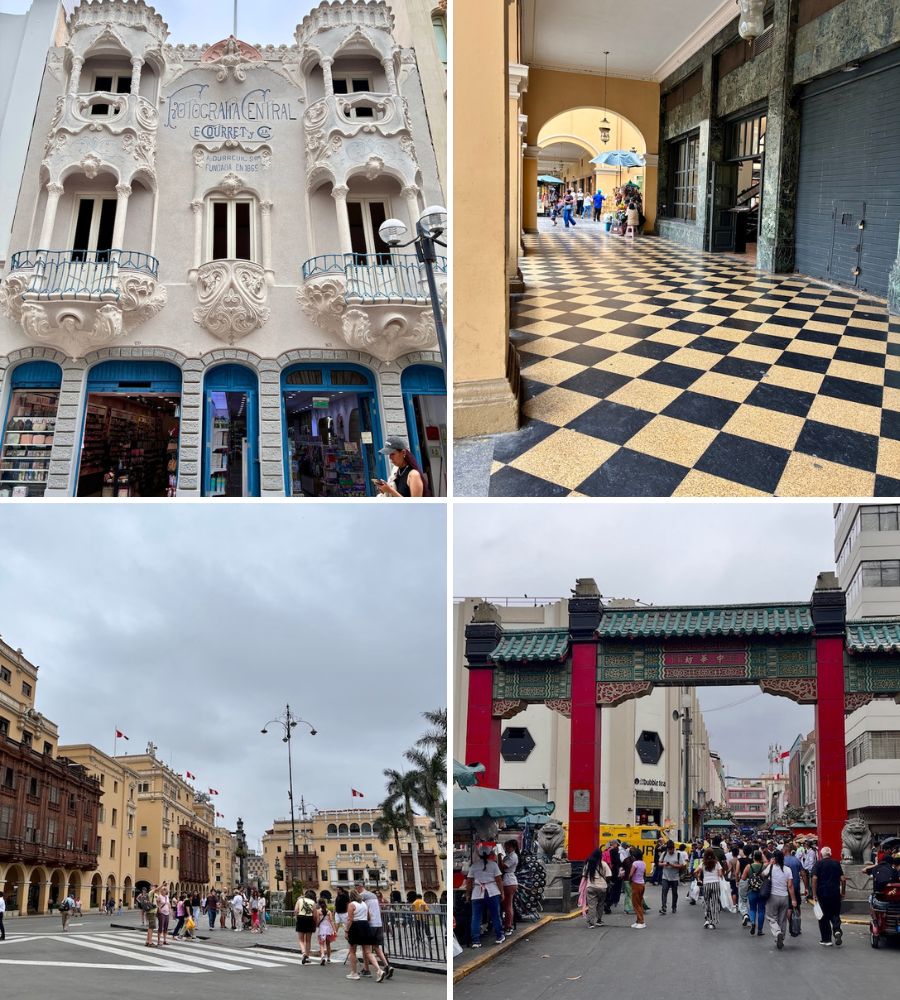
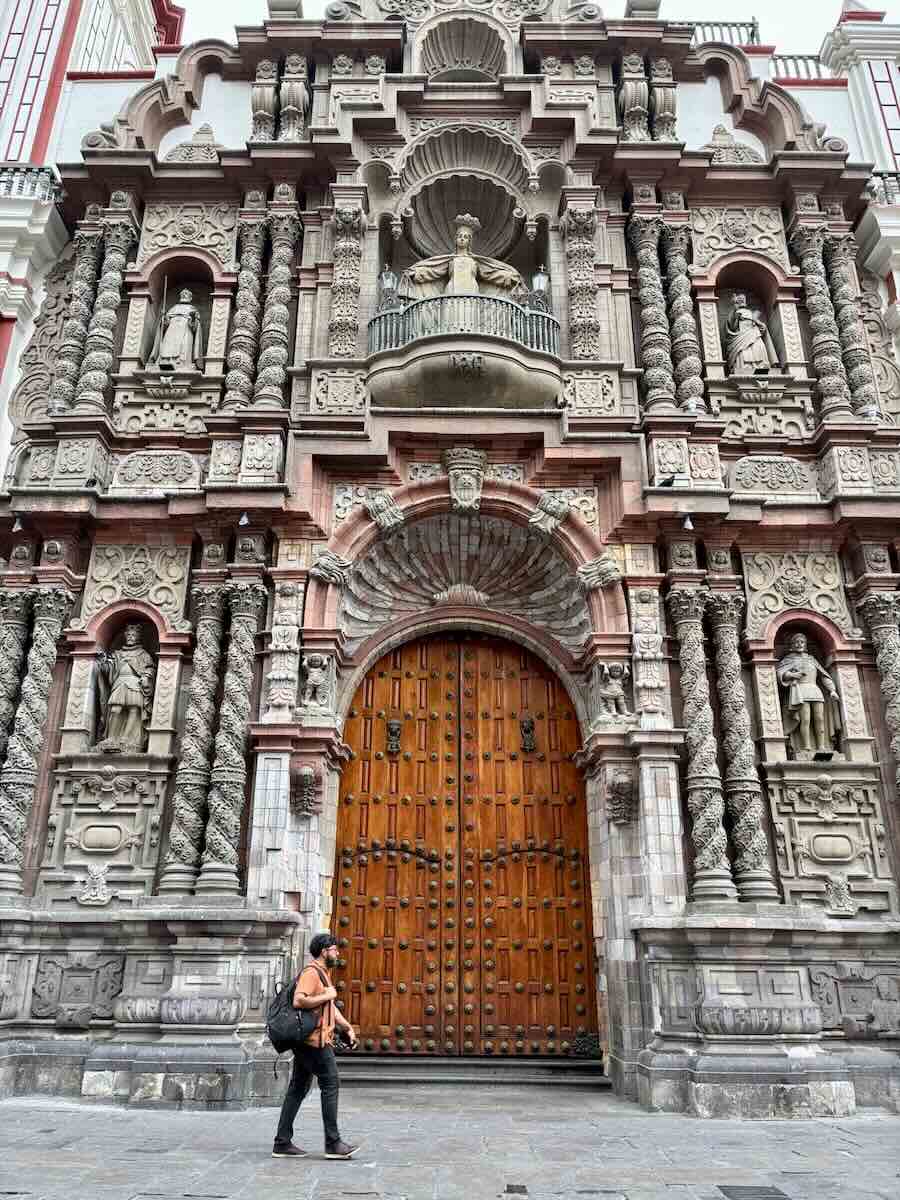
Lima’s historic center was worth a quick look, but it’s not something to go out of your way for if you’re short on time. Due to Lima’s traffic, getting there from Miraflores take at least 40 minutes.
We saw the historic buildings around the main plaza, and Jedd walked to Chinatown and the produce market nearby.
Lima Airport Express bus: Affordable transit from LIM to Miraflores
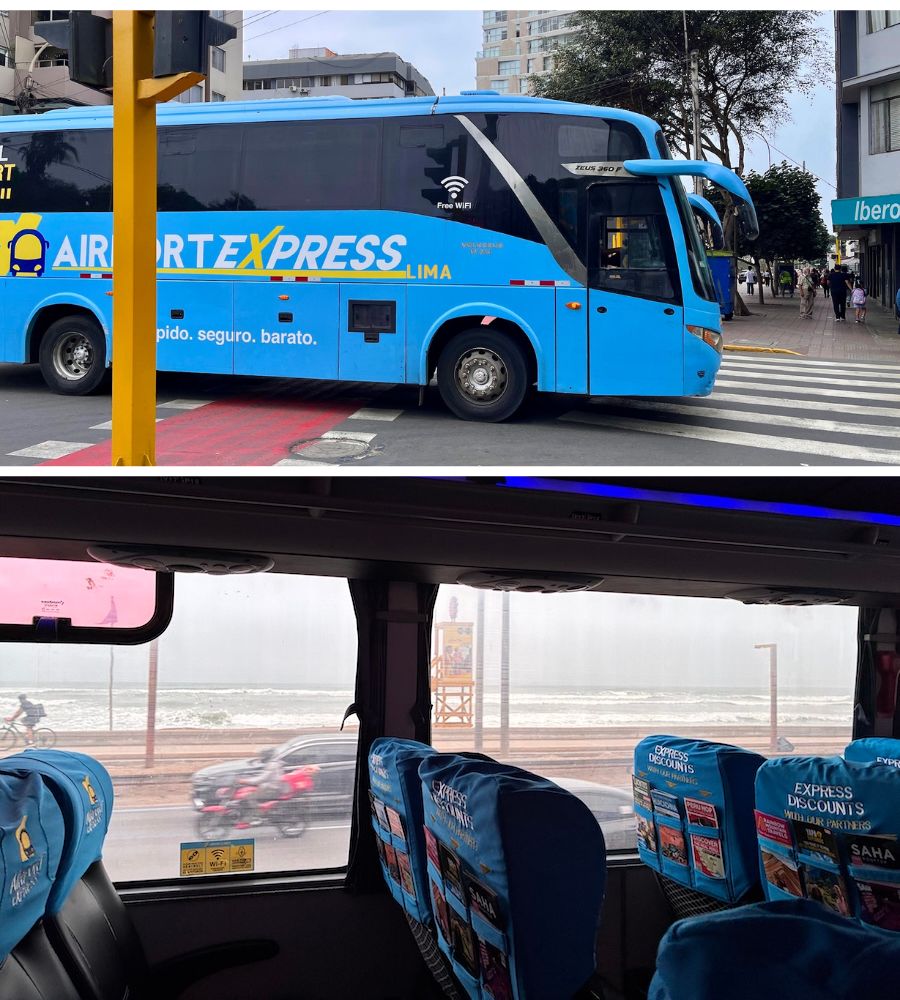
The Lima Airport Express bus is a simple, affordable way to get from the airport to Miraflores. We bought tickets on the spot as soon as we exited the Lima airport.
They take cash or card on site, and you just show your passport. It was under $5 each, one way.
In Miraflores, there are several pick-up and drop-off points, with tourist offices where you can buy tickets for the return trip. If there’s space, you can supposedly pay on the bus, too.
Advance tickets are only sold online.
Arequipa: A laid-back city to slow down (and adjust to the altitude)
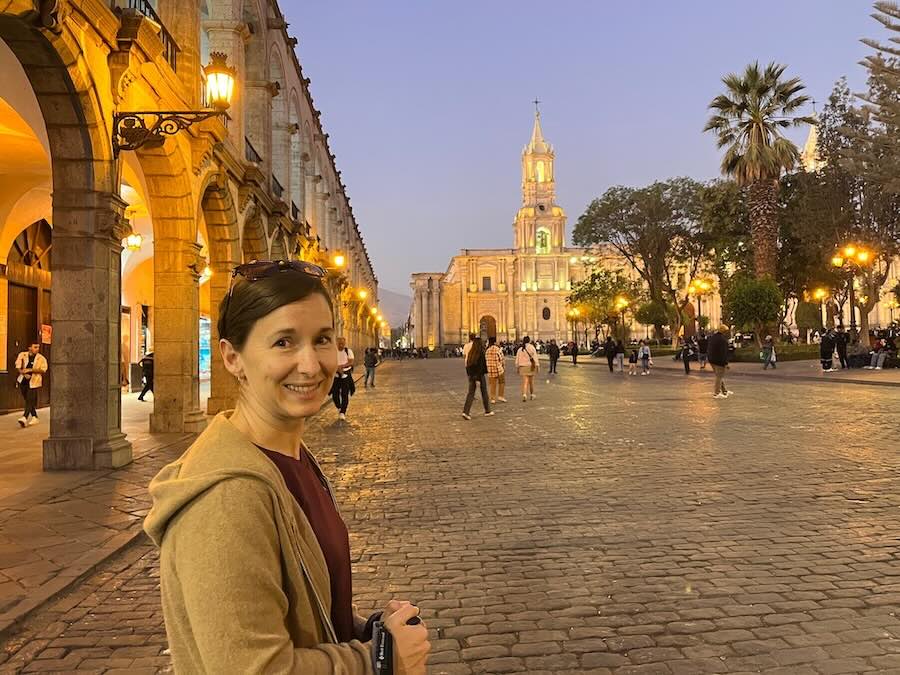
We liked Arequipa’s laid-back vibe and actually extended our stay. It isn’t a city with a long list of attractions, but the quality of life is good and the weather is pleasant most of the year.
It can be a great fit for slow travelers. Our Airbnb near the center of town had a nice space and pretty good Wi-Fi.
Arequipa is also a smart first stop if you’re heading to Cusco. At about 7,660 feet (2,335 meters), it’s high enough to start adjusting to the altitude without the bigger jump to Cusco. (More on altitude below.)
Some sights we enjoyed visiting were:
- The scenic overlook, Mirador de Yanahuara, with a nice lunch at Restaurante Santé just down the hill.
- Mundo Alpaca, a small museum, shop, and petting area (free to enter).
- The giant fresh produce market, Mercado San Camilo.
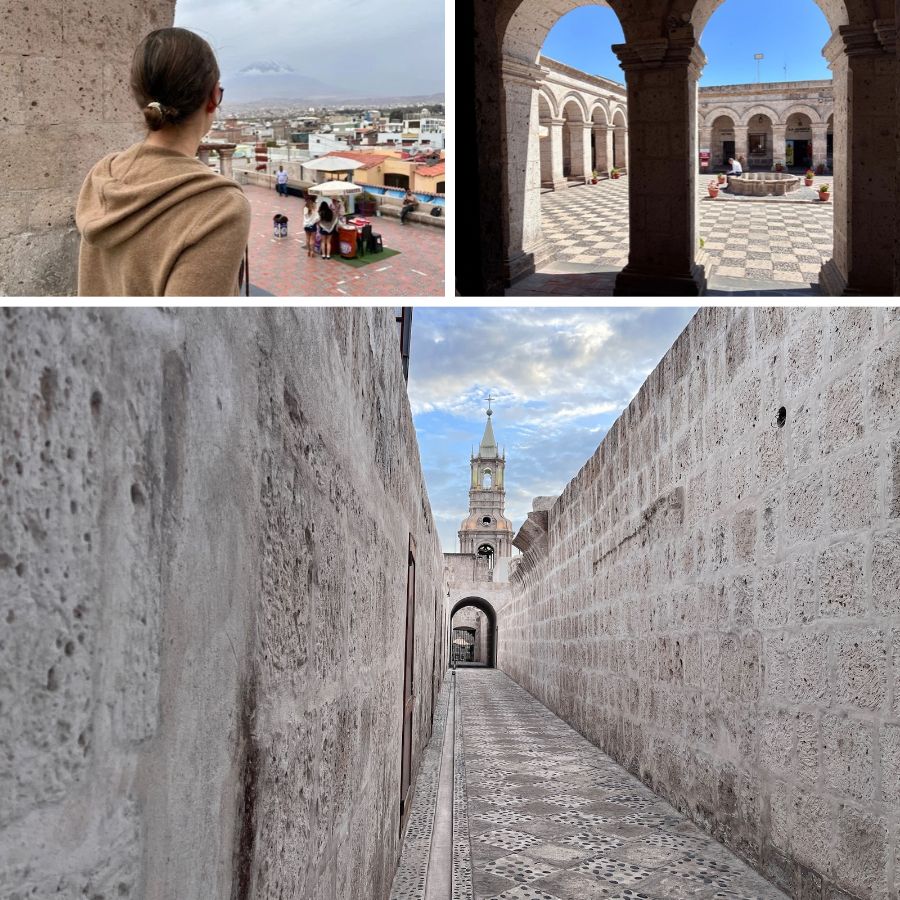
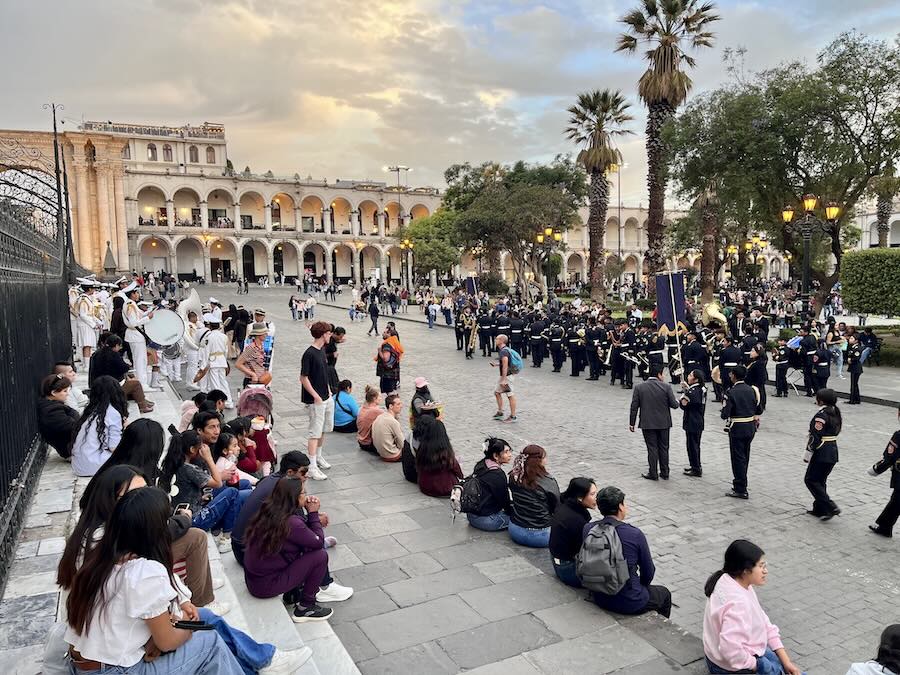
One of the most popular day trips from Arequipa is Colca Canyon, known for being the deepest canyon in the world. It’s a 3-4 hour drive, though, so we thought it might be better as an overnight trip.
Food in Arequipa:
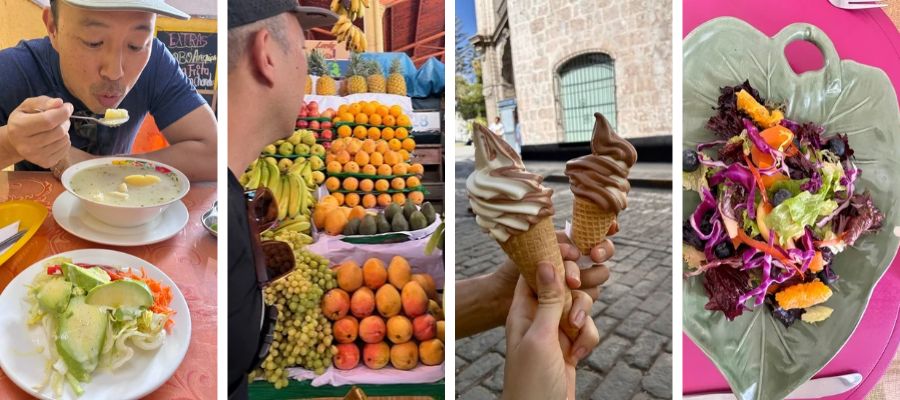
- Plenty of local eateries offer a menú del día (set menu of the day), some for 10 soles (about $3) or less, with choice of soup/appetizer and main course.
- There are also higher-end restaurants, from burgers and milkshakes to pizza and Peruvian fusion.
- We bought fruit and vegetables at the produce market from a friendly vendor, and baked goods from panaderías. The PlazaVea supermarket is huge and offers a wide range of goods, including foreign imports.
- Ice cream is everywhere, from $1 soft serve at the supermarket on the plaza to the traditional queso helado sold by Indigenous women on street corners. Despite the name (“cheese ice cream”), there’s no cheese in it.
Cusco: The best base for culture, ruins, and day trips
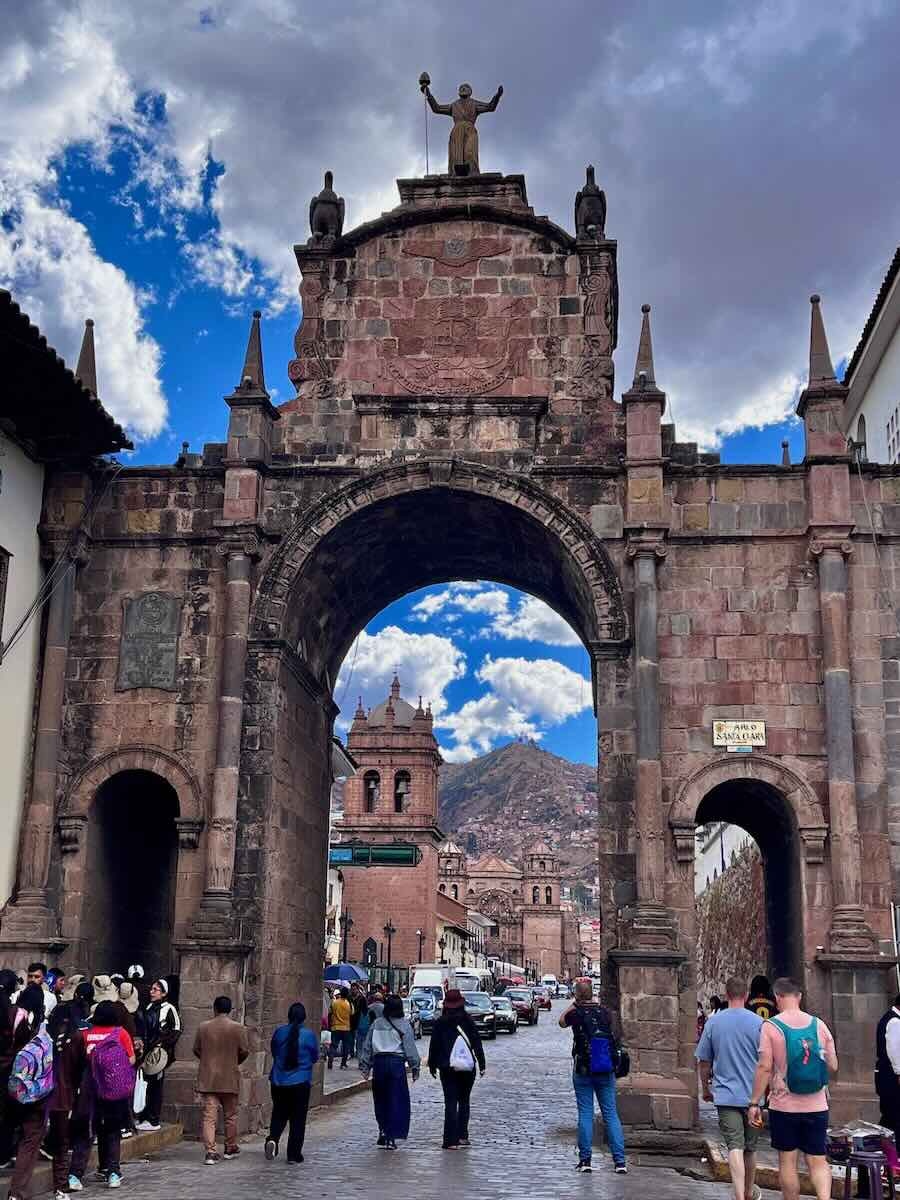
Cusco has a lot going on, and it has continued to develop since my first visit.
Locals told us that Cusco has grown a lot in the last decade because of tourism. The quiet mountain town I remembered does seem bigger now, with restaurants and shops for visitors on nearly every street around the center.
There are often festivals in the plazas, and the city is surrounded by mountains and ruins you can see within minutes of town.
It’s also a good base for day trips into the Sacred Valley. Pisac, for example, is only about an hour away.
Prices for food and shopping seem to be a little higher in Cusco than elsewhere in Peru, but there are interesting markets and all kinds of food to try.
During our three weeks, we happened to catch:
- A pet costume parade on Halloween
- All Souls’ Day festivals with traditional foods, like lechón (roast pork) and tanta wawa, a sweet bread baked with a baby doll or a horse
- A big coffee festival, opened with a traditional Indigenous procession in the main plaza
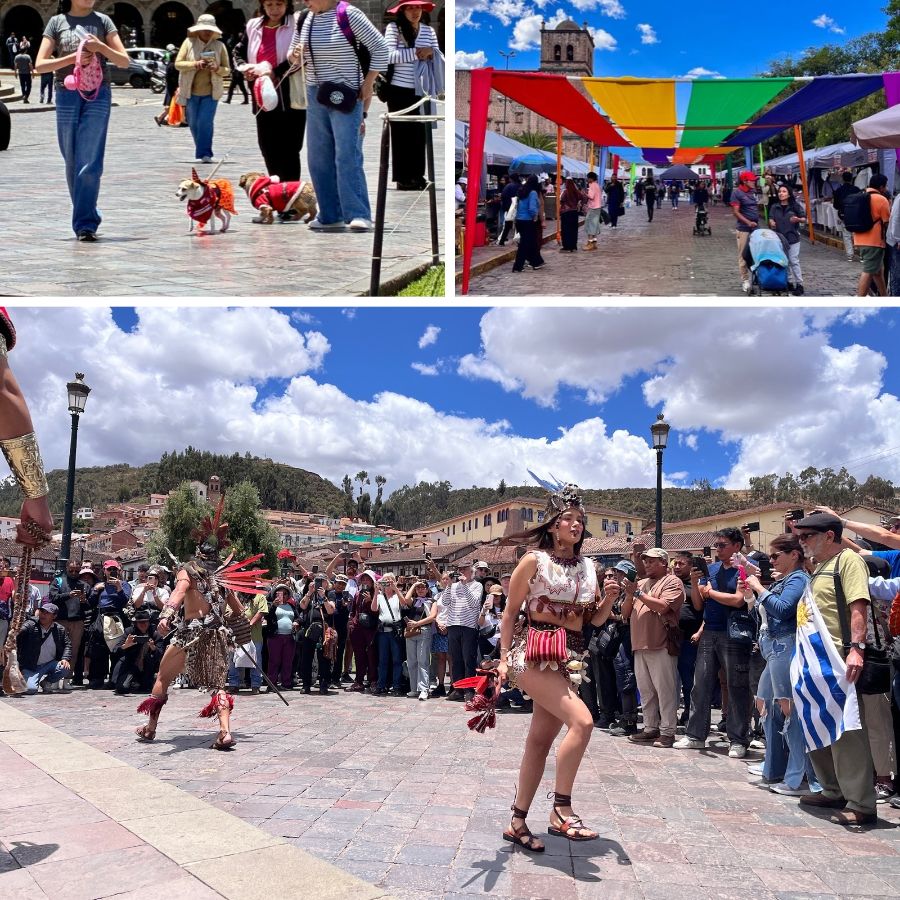
Events like these aren’t easy to find in a guidebook. Instead, ask locals (your accommodation host is a great start) or check local Facebook groups.
TIP: 🔎 Some of our favorite travel memories come from events and local spots we never would have found by searching “things to do in [city].” I teach the strategies we use to find them in my Hidden Highlights course.
Cusco Open Tour: See the city and ruins from an open-top bus
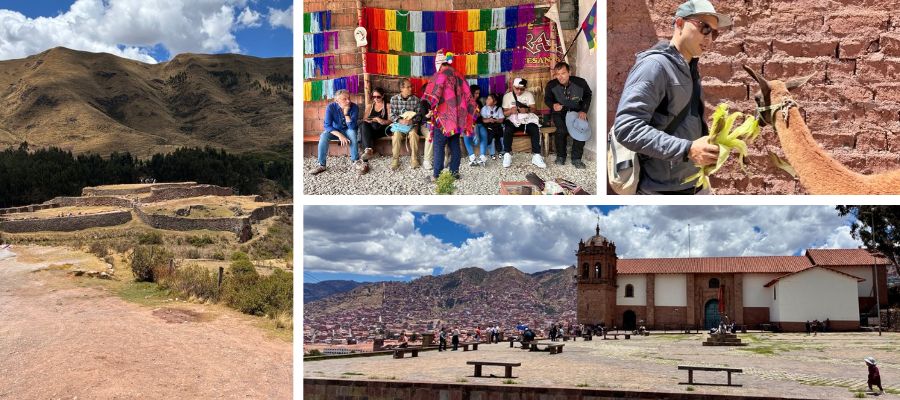
One of our best experiences in Cusco was a panoramic bus tour with Cusco Open Tour.
Several companies offer similar tours, where you ride on the open roof of the bus with a local guide. We picked Cusco Open Tour because it had the highest ratings, and we can confirm it was good quality.
For about 35 soles each (roughly $11), we got a three-hour tour with a bilingual guide. It covered:
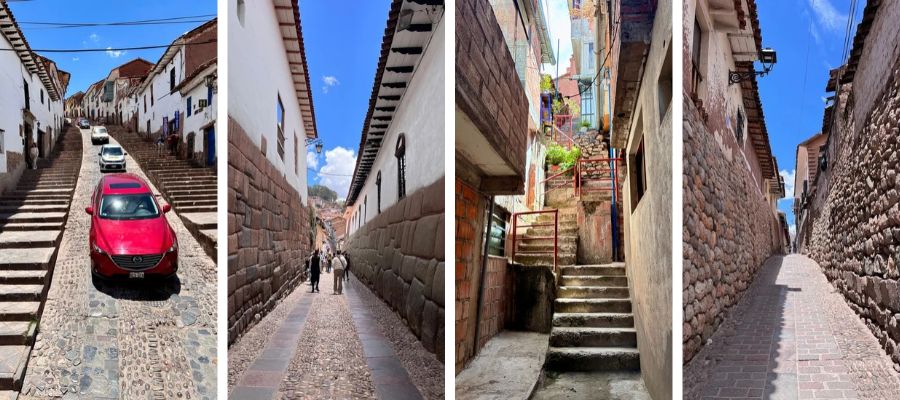
- Some impressive streets in town
- Drives past the Inca ruins above Cusco, like Sacsayhuamán, which you can see surprisingly well from the raised level of the bus
- A stop for a small Indigenous ceremony, with a chance to feed llamas and buy a snack
- A stop at the Cristo Blanco statue overlook, with views over the whole city
- Samplinga traditional drink made from anise, muña (Andean mint), and stevia
The staff were very accommodating. I was on crutches at the time, and the start point is two long blocks from the Plaza de Armas, so they offered to pay for a taxi to get me to the bus.
How to book: You can buy tickets from vendors on the street, at their office just off the Plaza de Armas, or on the official website. Third-party sites like GetYourGuide or Viator are handy if you want to pay by credit card, though prices are higher.
Just make sure it’s the orange bus with name “Cusco Open Tour”.
Book the orange Cusco Open Tour panoramic bus on GetYourGuide >
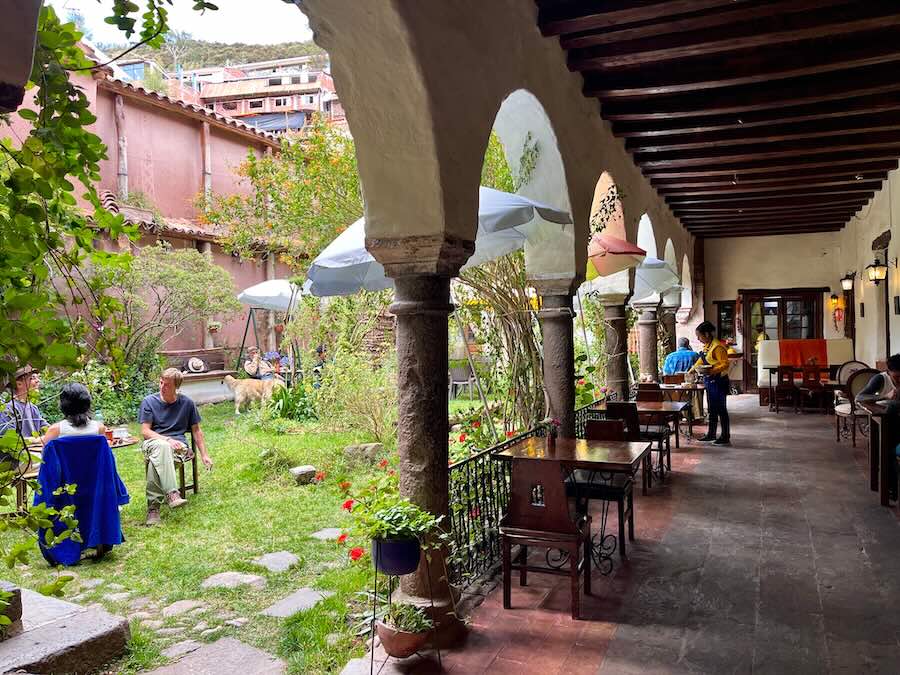
The bus dropped us off next to Pucara, a Peruvian fusion restaurant with a generous menú del día for 28 soles (about $8). It surprised us with a beautiful, peaceful courtyard inside.
Breakfast at Mercado San Blas
We enjoyed breakfast sandwiches at Mercado San Blas, a clean, relaxed market with mostly local stalls plus a few aimed at visitors, like a coffee shack and a vegan spot.
The sandwich lady at Desayunos Anita Cleo sells a giant egg sandwich called the “Machu Picchu” for 12 soles (less than $4 US).
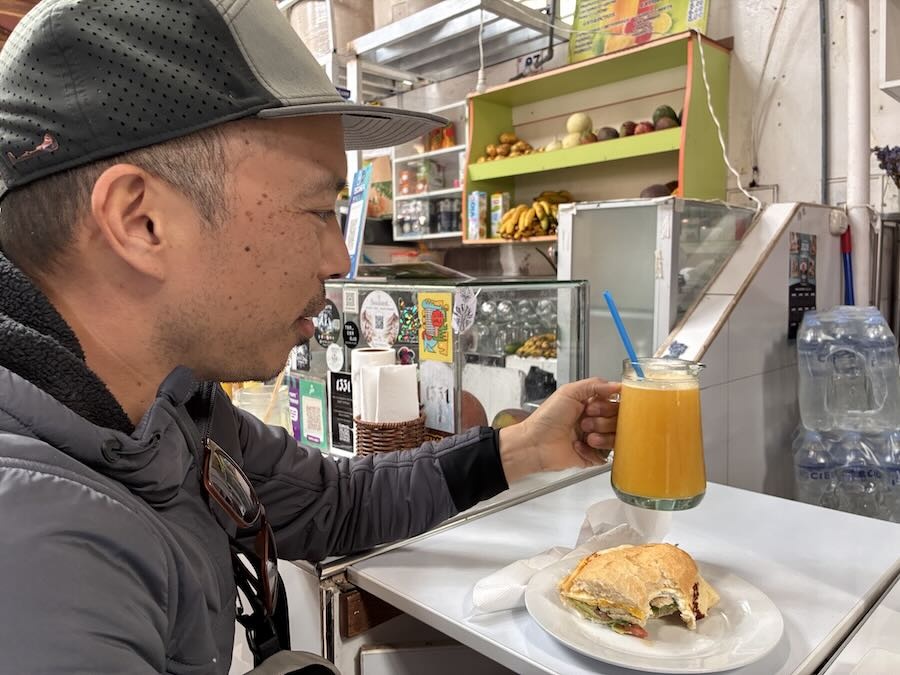
It’s very popular – and the only Machu Picchu we tackled this trip. In fact, we went back a few more times for take-away.
Sacred Valley day trips: Pisac, Urubamba, and Ollantaytambo
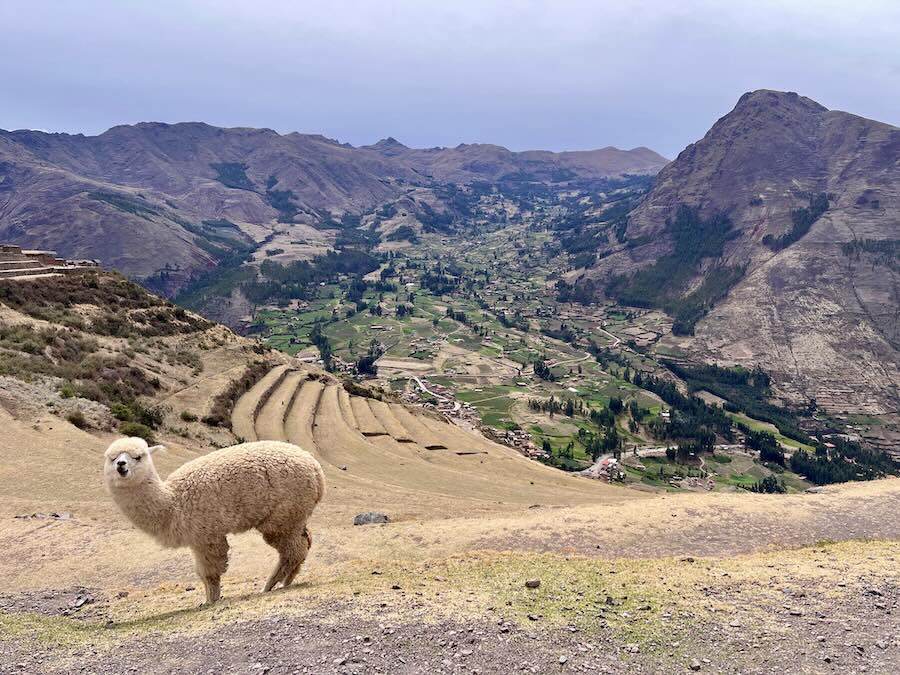
We visited the Sacred Valley on two separate day trips with a private driver arranged by our Airbnb host. We paid about $75 for a half-day.
A lot of package tours cover Pisac and Ollantaytambo together in one day. That makes for a very long drive and would have felt rushed to us.
We preferred doing them separately so we could take our time, and we opted for a private driver to help accommodate my mobility limitations at the time.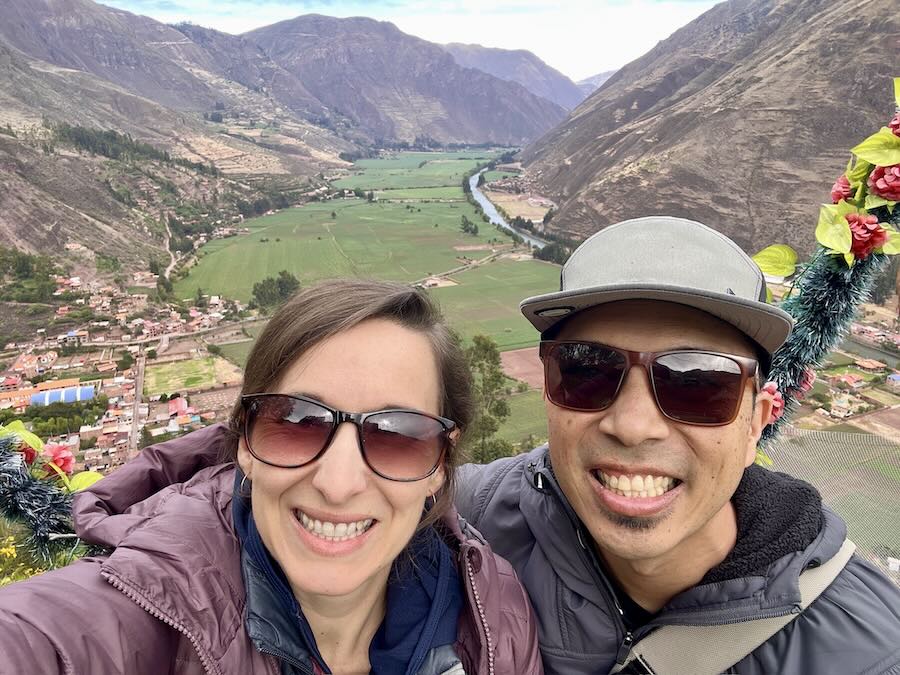
If you’d rather book a tour, here are two good options that are highly rated:
- Cusco ruins + Pisac day tour – covers some of the ruins around Cusco plus Pisac in one day.
- Ollantaytambo + Moray + Maras tour – combines Ollantaytambo with nearby sites, plus a buffet lunch.
Pisac
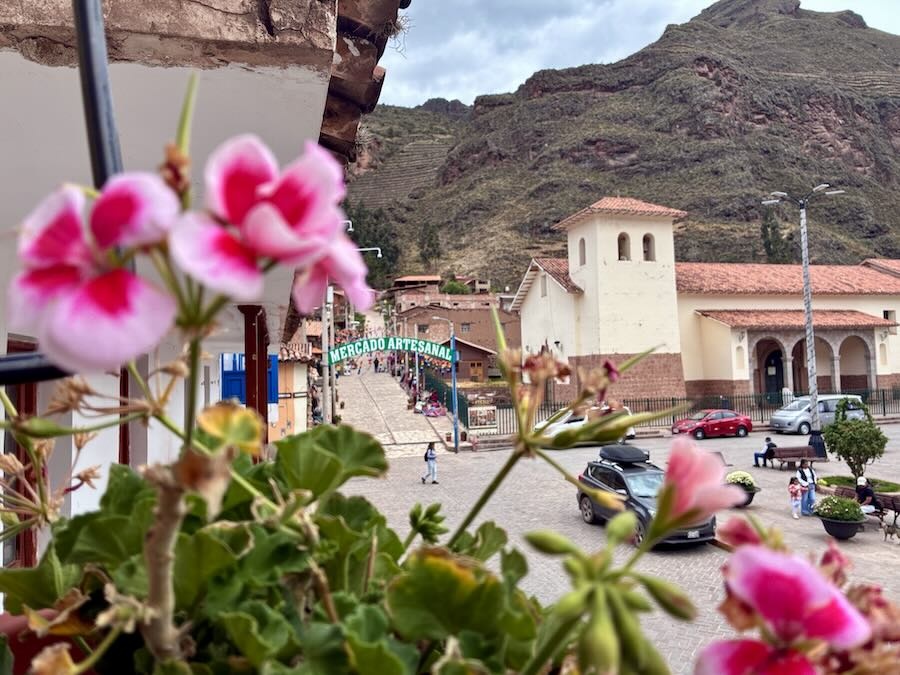
Pisac is a much smaller town than Cusco, and we found it charming in its own way. We still saw quite a few foreign visitors around, and you can tell the center of town and the hillside accommodations have been developed for tourism.
For breakfast, we ate with our driver at one of the sandwich vendor stalls in the local market. Egg sandwiches were 5 – 10 soles, and hot chocolate or café con leche at La Canelita was under 3 soles.
We paid about $9 US for three of us to eat and drink.
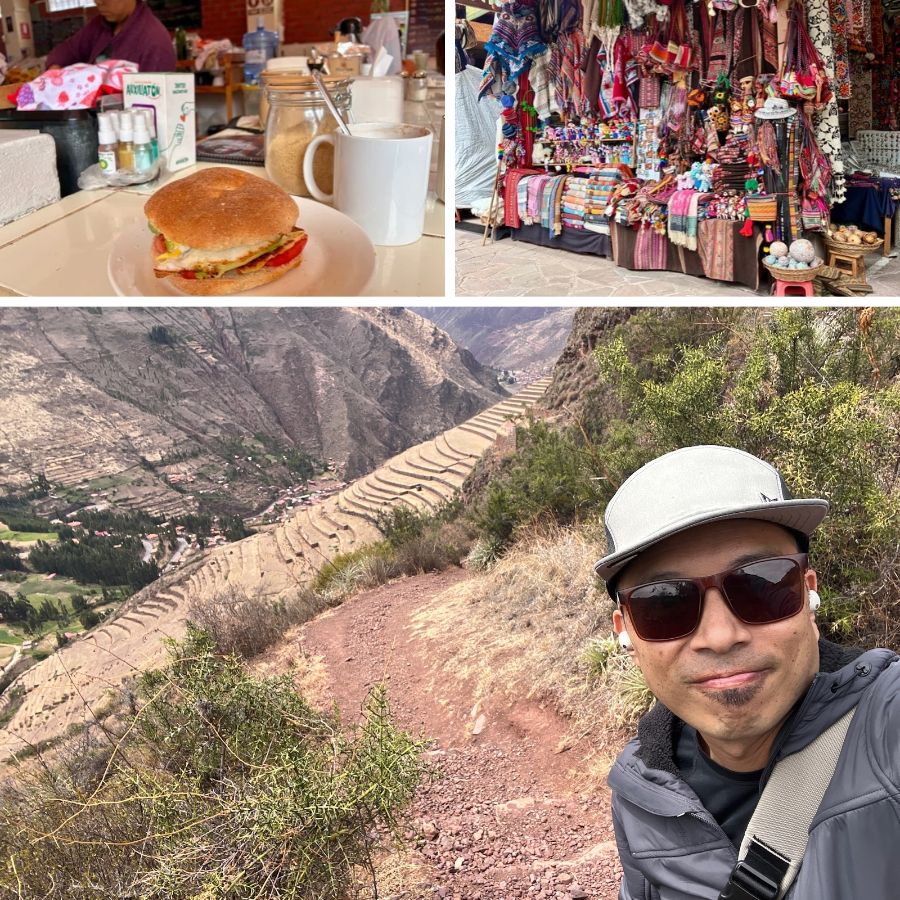
Jedd loved the hike from the top of the Pisac Archaeological Park, down through the ruins and terraces, ending just above town. It was one of my favorite stops during my first Peru trip as well.
I browsed the artisan market, one of the largest in the region and known for good prices. It’s just a block from the main plaza.
There is a ticket office part-way up the mountain road to Pisac’s archeological park where you can purchase a boleto turistico if you don’t already have it (it’s not the entrance, so continue driving up to the parking lot if you’re hiking).
There are two ticket options:
1) Integral (full pass) – Last 10 days and covers 16 sites in the Sacred Valley for 130 soles
2) Circuit III – Lasts 2 days and covers Pisac, Ollantaytambo, Chinchero, Moray for 70 soles
Urubamba
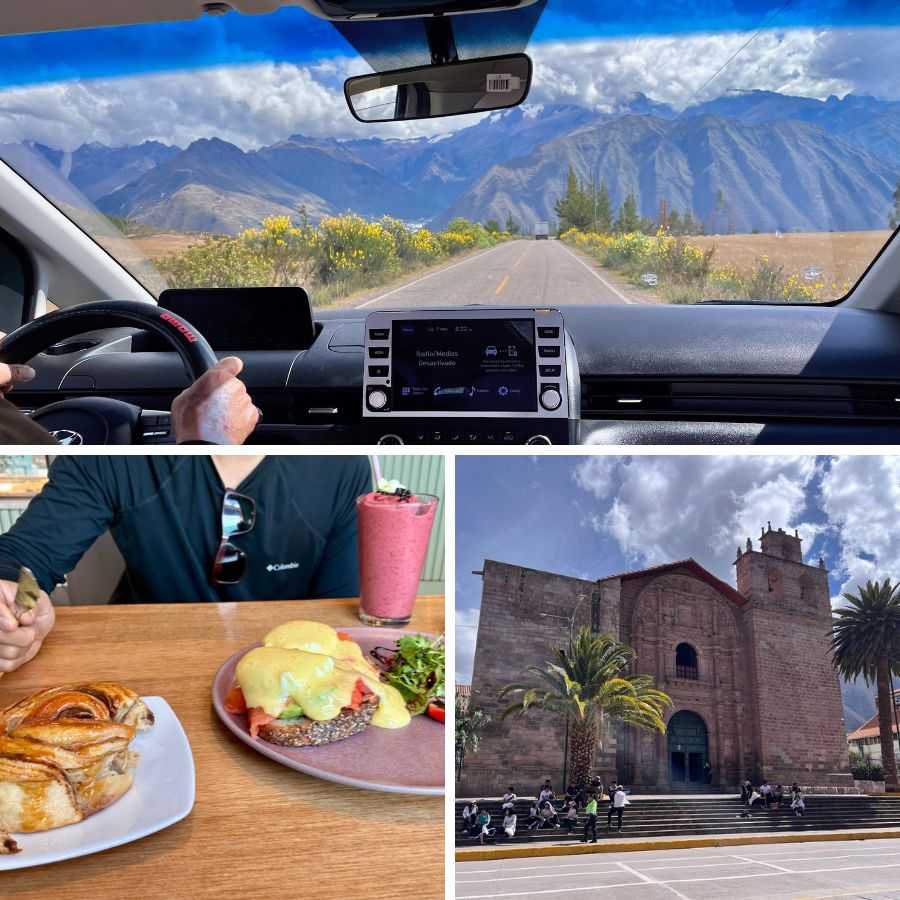
We left Cusco at 7am for our next day trip to Urubamba and Ollantaytambo.
Getting out of the city took a while, past a busy market. Then we took the main road toward Anta for about an hour before turning south toward Urubamba.
We reached the town plaza around 8:40am.
We’d hoped for another market breakfast like the one we had in Pisac, but Urubamba’s market didn’t have as many fresh options. It was mostly juices, soups, and pre-made sandwiches that were sitting out.
The market in the center of town has an old and new building. It’s popular with locals, and we didn’t see any other visitors there.
Many of the restaurants in Urubamba seem to be higher-end cafes.
The place we’d researched with a set breakfast menu (desayuno) was closed on the Saturday we visited, so we ended up at Cafe Miga for eggs Benedict, a cinnamon roll, and a smoothie. It cost more than a market breakfast would have, but it was good.
The Palacio de Huayna Capac ruins as well as the Qespiwanka Museum are walkable from the center of town and free to enter.
There’s also a second, large market along the road out of town – Mercado de Productores de Urubamba if you want to spend more time in town.
Ollantaytambo
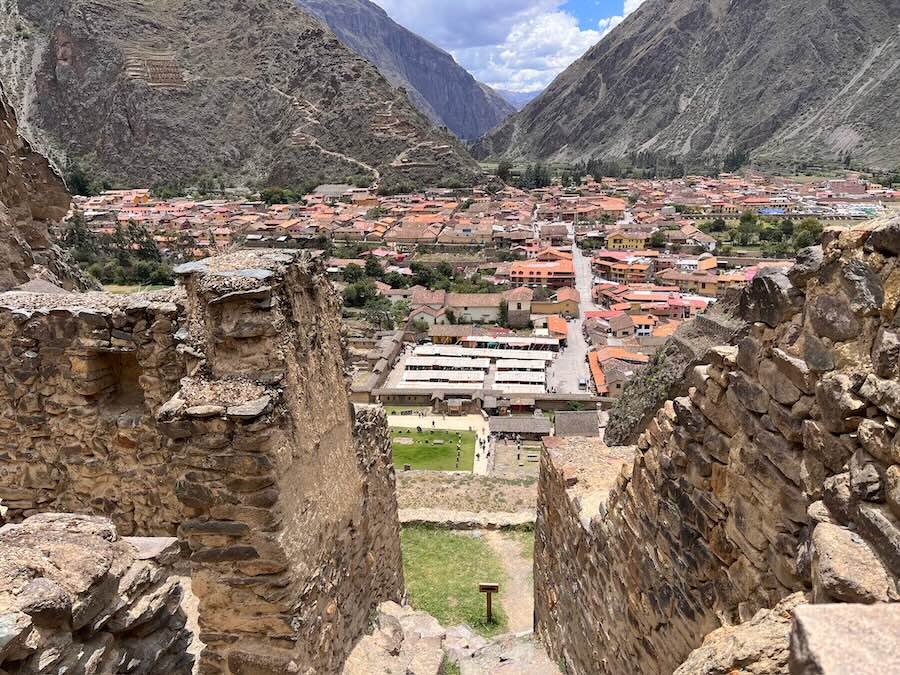
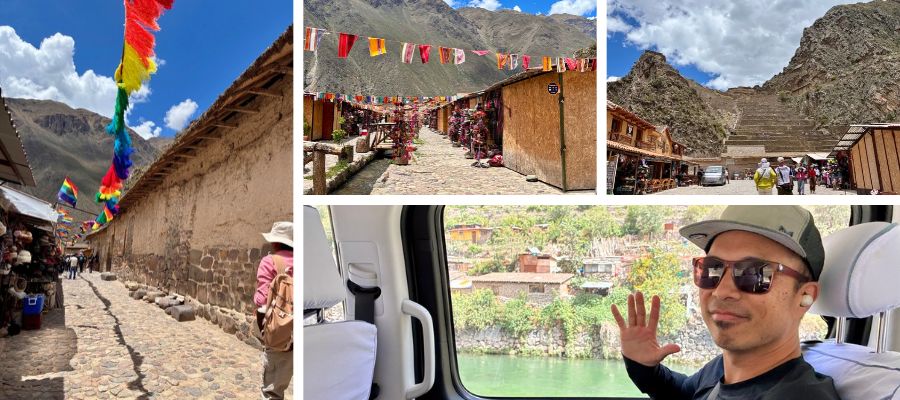
Heads up on the drive: The last stretch of road into Ollantaytambo was under construction during our visit at the end of 2026. The detour loops around the back of town on a bumpy, potholed road along the river.
The detour isn’t always wide enough for two vehicles, so traffic backs up. It added at least 25 minutes to our drive. On the bright side, the river views make it a scenic detour.
Ollantaytambo was well worth it. The town sits in a beautiful setting, with impressive Inca ruins in multiple directions.
We arrived at the archaeological park and artisan market around 10:40.
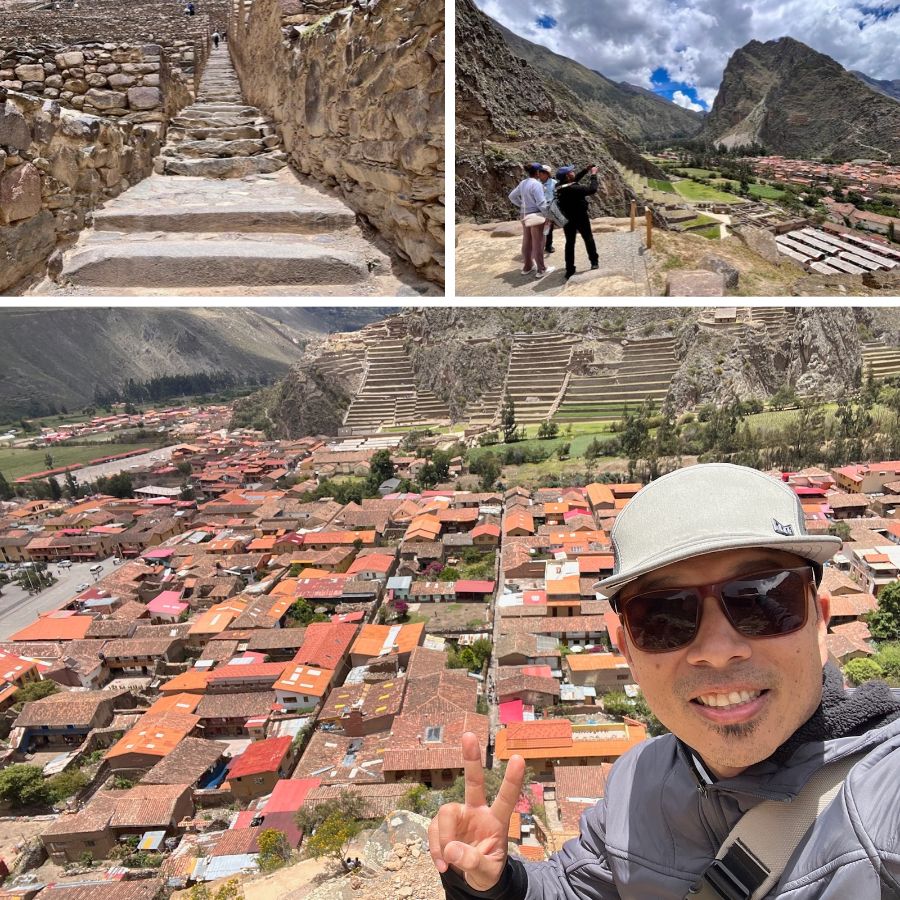
Jedd did the circuit through the ruins in about 35 minutes. It’s a tiring climb, but very doable.
The Boleto Turistico de Cusco ticket covers these ruins, whether you purchased the Integral (full pass that covers 16 sites over 10 days) or Circuit III (covers Pisac, Ollantaytambo, Chinchero, and Moray for 2 days). If you don’t already have a pass, you can buy it at the entrance.
Meanwhile, I had a cappuccino by the river at Oro Negro Specialty Coffee, which was nice and relaxing.
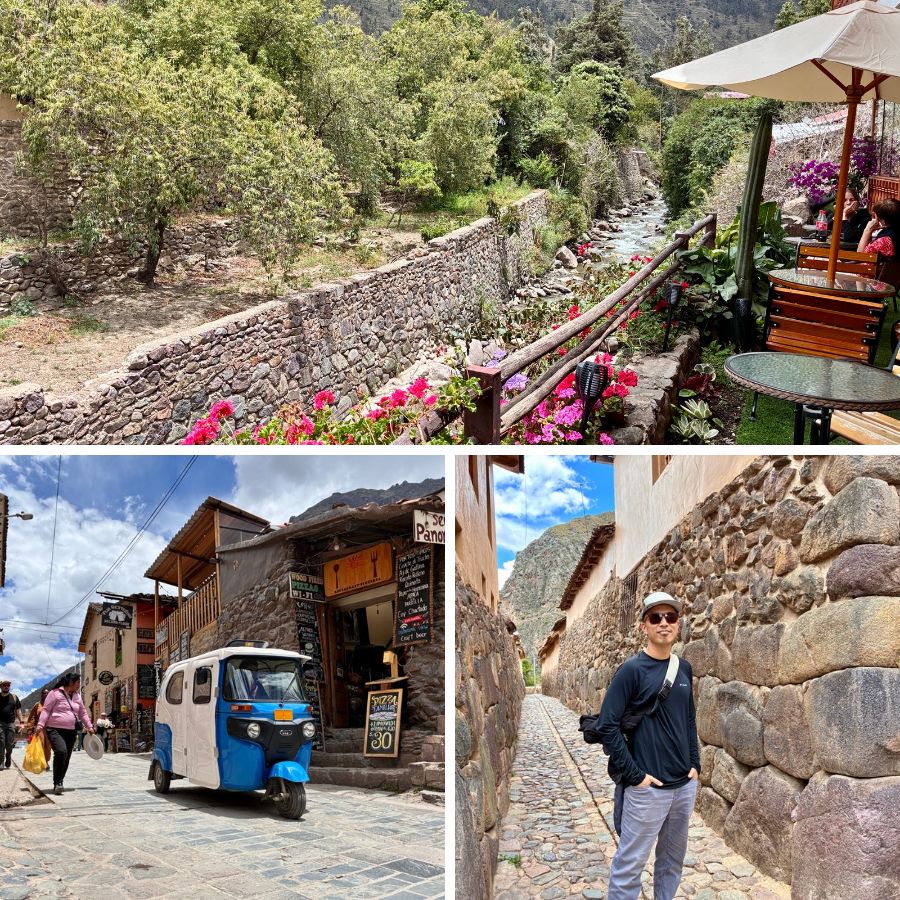
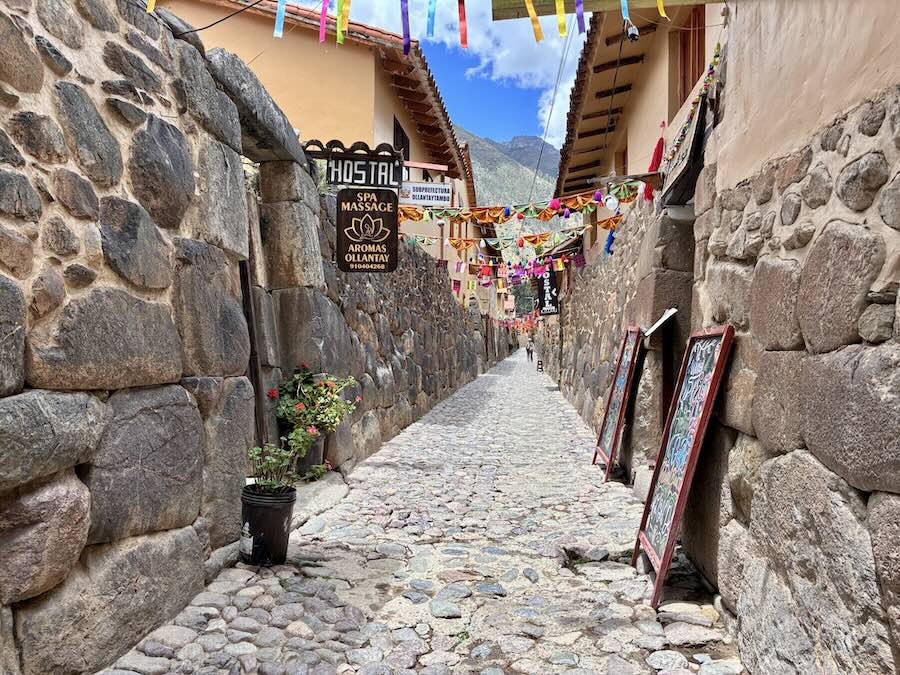
Afterward, we wandered toward the Plaza de Armas through the town’s cobblestone pedestrian streets, with water channels running alongside them and colorful streamers hung across the walkways.
There’s also a good variety of restaurants if you want to stay for lunch.
Our day trip timeline for a low key visit:
- 7:00 a.m. – Leave Cusco
- 8:40 a.m. – Arrive in Urubamba for breakfast
- 9:50 a.m. – Leave for Ollantaytambo
- 10:40 a.m. – Arrive at the archaeological park
- 1:00 p.m. – Head back toward Cusco
- 3:35 p.m. – Back in Cusco
For this longer day trip, we paid our driver 350 soles (about $100), and that fee would have covered more time if we’d wanted it.
Many tour groups stop for lunch at one of the big buffets along the way, where you can try alpaca, cuy (guinea pig), and other local dishes. We just weren’t hungry.
Our host suggested Don Angel Inka Casona Restaurant outside of Urubamba, which runs about 70 soles (around $20) per person.
Part 2: Things to know before your first trip to Peru
Peru’s tourist trail is well set up for visitors. Hotels, restaurants, and tours in those areas are designed with guests’ comfort, health, and safety in mind.
That matters in a developing country where poverty, water quality, mosquito-borne illness, and road conditions can be real issues.
Going beyond the tourist trail is doable, but it takes a bit more preparation, especially if you don’t speak Spanish.
Here are a few things we want you to know before a first trip.
1. Machu Picchu takes planning (or you can skip it)
Overtourism has become a real challenge at Machu Picchu. That doesn’t mean you shouldn’t go. But you should know what you’re signing up for.
Machu Picchu now has timed entry tickets, set circuits, and daily visitor caps.
Tickets are non-refundable, tied to your passport, and the most popular circuits often sell out weeks or even months ahead in high season. The rules have also changed several times in the past couple of years, so check the official ticket site for current details before you plan around a date.
If Machu Picchu isn’t a must for you, there’s plenty to fill a trip without it. To avoid the biggest crowds and highest prices, consider other parts of the country, or even just other parts of the Sacred Valley.
2. Ease into the altitude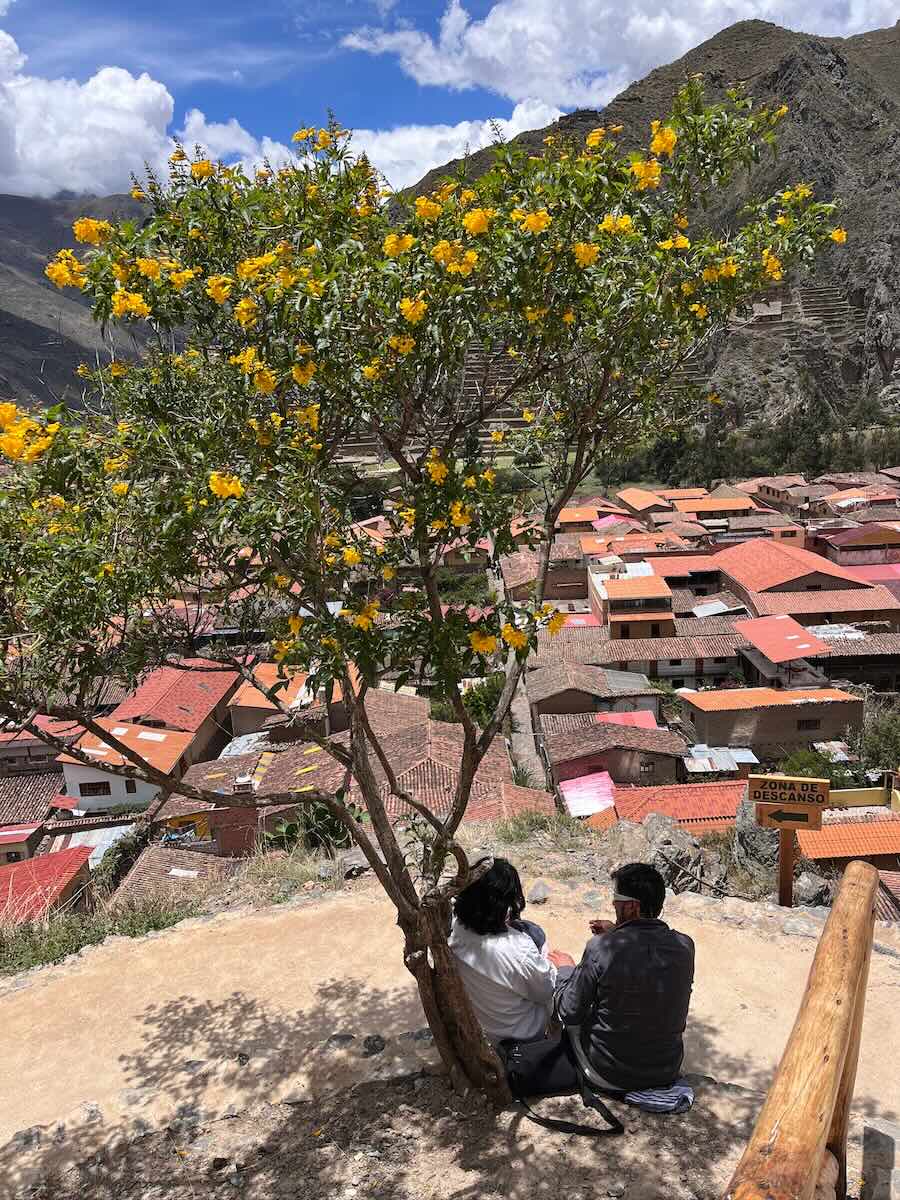

Cusco sits at about 11,150 feet (3,400 meters). Most visitors fly in directly from Lima, which is at sea level. That’s a big jump.
Here’s how the places we visited compare:
- Lima: sea level
- Arequipa: 7,660 ft
- Ollantaytambo: 9,160 ft
- Urubamba: 9,420 ft
- Pisac: 9,750 ft
- Cusco: 11,150 ft
Altitude sickness is common in Cusco. One study of travelers to Cusco found it affected about two in five visitors.
Starting in Arequipa was a deliberate choice for us, and the altitude didn’t really affect us. We did notice we got short of breath easily going up stairs.
We drank coca tea, which is offered everywhere in Cusco, and made a point of staying hydrated. (Coca tea is a local tradition, though the research on whether it prevents altitude sickness is mixed.)
If you can’t start somewhere lower:
- Consider a driving tour into the Sacred Valley on your first day, so you head down in altitude.
- Or take an easy activity like the open-top bus tour so you can sightsee in Cusco without overexerting yourself.
If you do feel symptoms, Cusco has plenty of pharmacies and English-speaking medical services like Doctors Cusco (which we used to find other medications). They’re well prepared to handle it, since altitude sickness happens to so many visitors.
3. Getting around Peru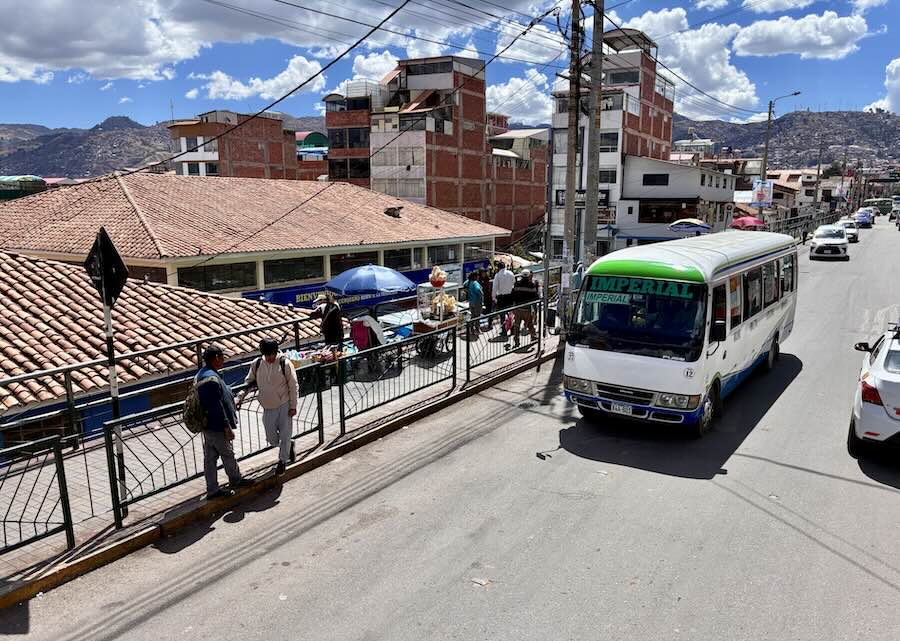

Public buses inside the cities usually cost about 30 cents a ride, and it’s best to pay with small change.
We used the Moovit app in Lima and Cusco and the Arequipa Bus app in Arequipa to figure out routes.
The apps were not 100% reliable, so ask the driver as you get on whether they pass through where you want to go (“¿Pasa por ___?”).
We used Uber a lot on this trip, in every city. Rides across town were usually a few dollars.
We preferred a ride-hailing app over taxis because it confirms your destination, avoids language barriers, and sets the price up front. Our Airbnb host set us up with Taxi Turismo once, and it was fine but a little more expensive than the Uber charge.
The downside: Uber takes extra patience, especially on the outskirts of Cusco. Drivers would sometimes accept our request and then cancel once they saw our location.
We had three or four drivers cancel back-to-back, leaving us to wait an extra half hour for a ride into town. Other times, a driver showed up within minutes.
As mentioned above, taxis can cost a bit more and usually require agreeing on a fare with the driver before you get in. There are a lot of stories of this going sideways for visitors, so taxis are our last choice.
Between cities: We personally flew direct with LATAM. If you’d rather go overland, Peru Hop is a popular bus service between the main destinations. We saw it advertised in the tourist offices in each city, and it has a good reputation.
Our travel medical coverage (found through InsureMyTrip) did not cover bus accidents, and the journey can be 10x longer than flying due to the mountain roads, so that’s why we opted for flights.
Think twice about renting a car. Road conditions and local driving habits are not for the faint of heart, and we wouldn’t be comfortable driving in Peru ourselves.
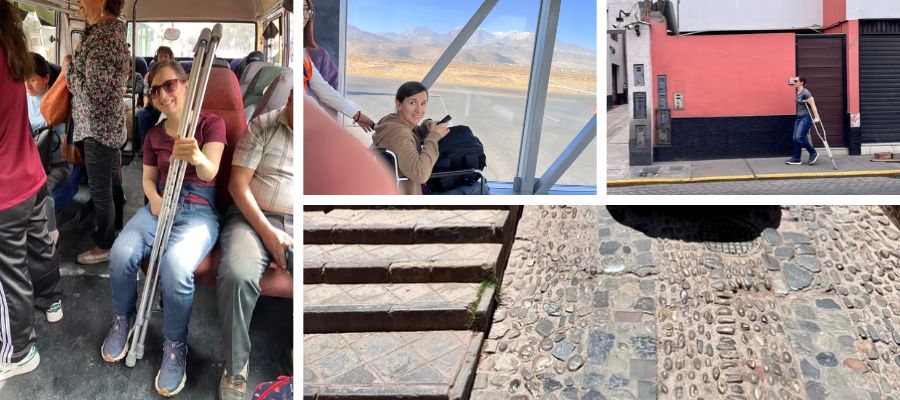
Traveling Peru with limited mobilityI spent much of this trip recovering from a foot injury, which is part of why we skipped some bigger hikes. A few things made it easier:
- A private driver for day trips, so we could go at our own pace and get dropped off closer to attractions
- The open-top bus tour in Cusco, which shows you the ruins above the city without walking
- Uber and public buses instead of walking longer distances
I got a planned MRI while in Arequipa and purchased crutches at one of the orthopedic shops, which were both good experiences and much cheaper than we’d pay in the States.
Expect lots of stairs, steep cobblestone streets, and uneven sidewalks, especially in Cusco. We hope to come back when we’re both able to do more hiking around the towns!
4. Choose where to stay with intention
If you choose a rental over a hotel, look for one hosted by a local. Your money goes further in supporting the local economy, and a good host is a great resource.
Our host in Cusco arranged our private driver for day trips and had lots of recommendations to share.
A few things to look for:
- Walking distance to the main square (usually labeled Plaza de Armas or Plaza Mayor on the map) is the easiest choice if you don’t want to coordinate drivers or buses.
- Many places don’t have indoor heating. Cusco gets chilly, even in Spring. If you’re traveling in Winter (June – August) or are sensitive to cold, look specifically for listings with heaters.
- Don’t expect top-end amenities without paying more. Overall, we found the Wi-Fi, electricity, and hot water to be decent.
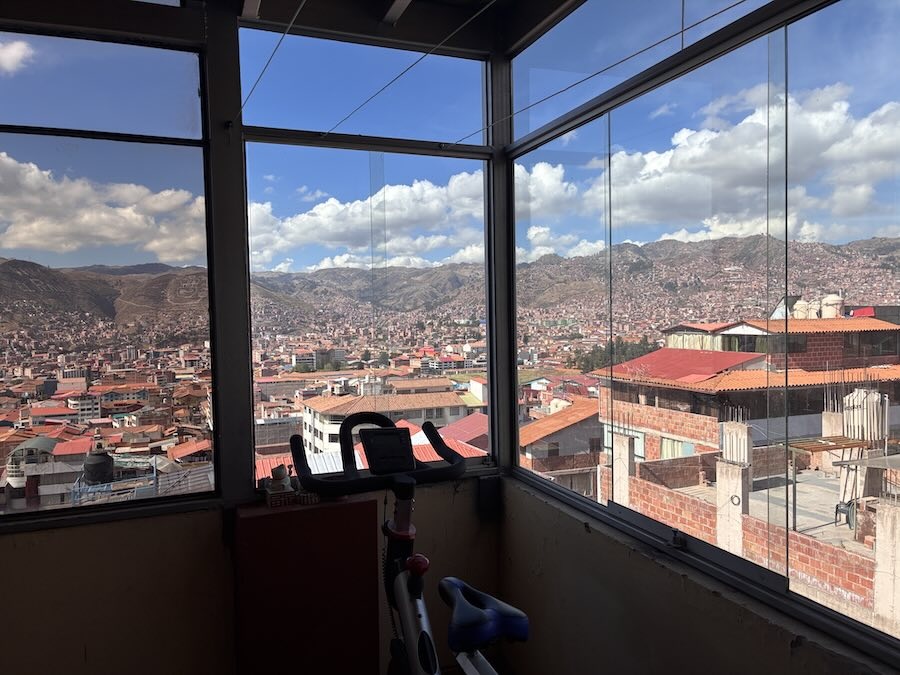
We stayed outside the center in Cusco and would do it again, since we usually love to walk. (It was harder this time with me on crutches and Jedd catching the flu for a few days.)
If you’re only staying a short time, a more central location makes getting around much easier.
TIP: 🛏️ The right stay has a big effect on how a trip feels, especially in a place like Cusco where location, heating, and hills matter. I’ll teach you how to narrow down options that fit your priorities, without hours of searching, in my Smart Stay Finder course.
5. Eat ‘menú del día’ lunches and market meals
Peru is known for good food, and you’ll find high-end restaurants in Lima, Arequipa, and Cusco. But we really enjoyed the simple meals.
Look for a menú del día or almuerzos (set menu of the day) at lunchtime. It usually includes a soup or starter, a main dish, and a drink. In Arequipa, we often paid 10 soles (about $3) or less.
In Cusco, we found a few good deals but most menus tended to cost a bit more.
Markets are great for breakfast, snacks, and fresh produce. Eating at market stalls, trying regional specialties, and practicing Spanish with vendors will help you experience Peru in a more personal way.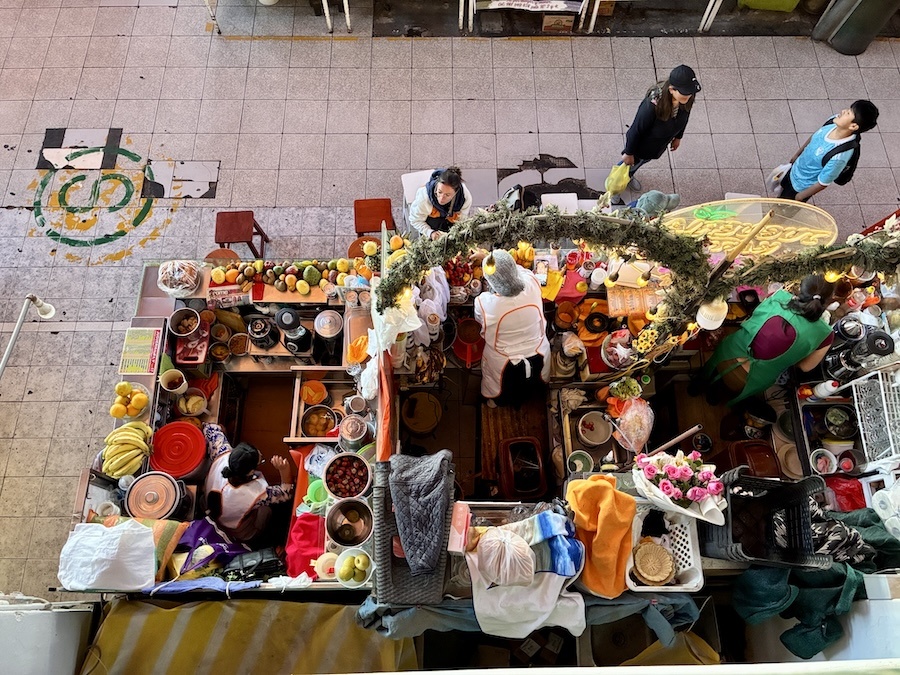
6. Shop the artisan markets (and bargain politely)
Peru’s markets are full of soft alpaca wool blankets and clothing, plus leather, jade, silver, and more.
Pisac’s artisan market is one of the largest we came across. Another large shop a block from the main plaza in Cusco is called Artesanís Asunta.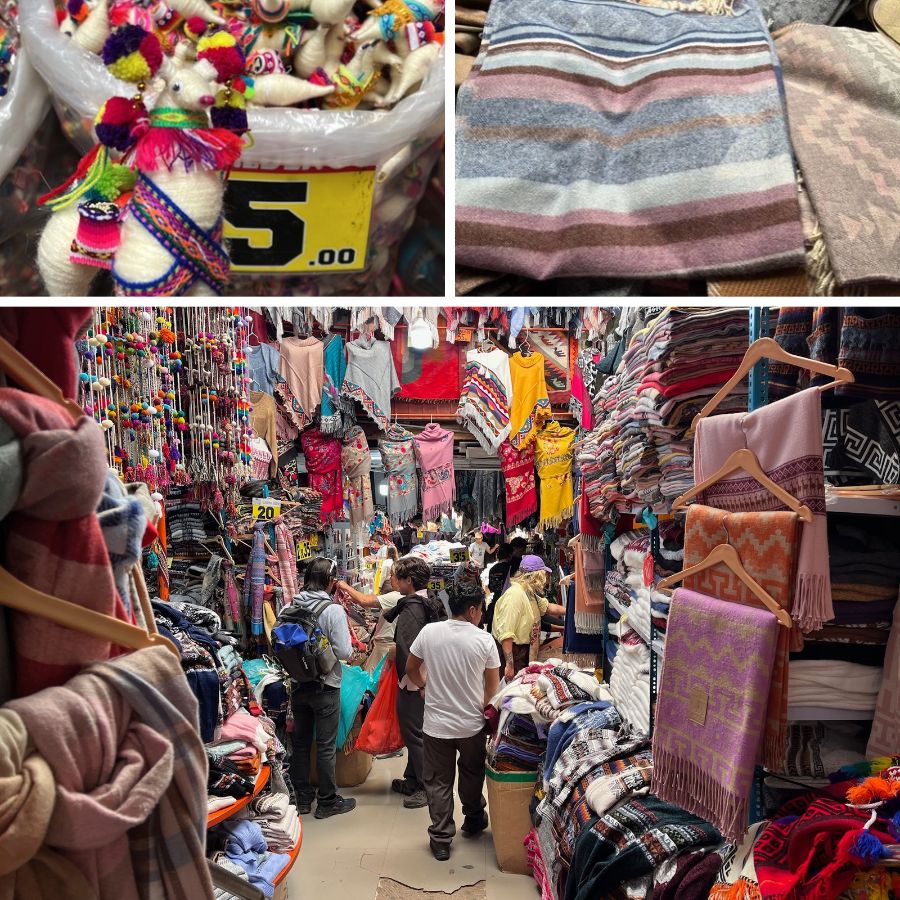
The souvenirs are similar wherever you go, so don’t feel pressured to buy at the first stall.
In markets, it’s normal to bargain, just keep it friendly. If you prefer places with price tags, there are also plenty of souvenir shops and higher-end alpaca clothing stores with set prices.
7. A little Spanish goes a long way
A decent grasp of Spanish helps a lot in Peru. Tourist-focused shops and tours will have English-speaking staff, but outside of those, English isn’t guaranteed.
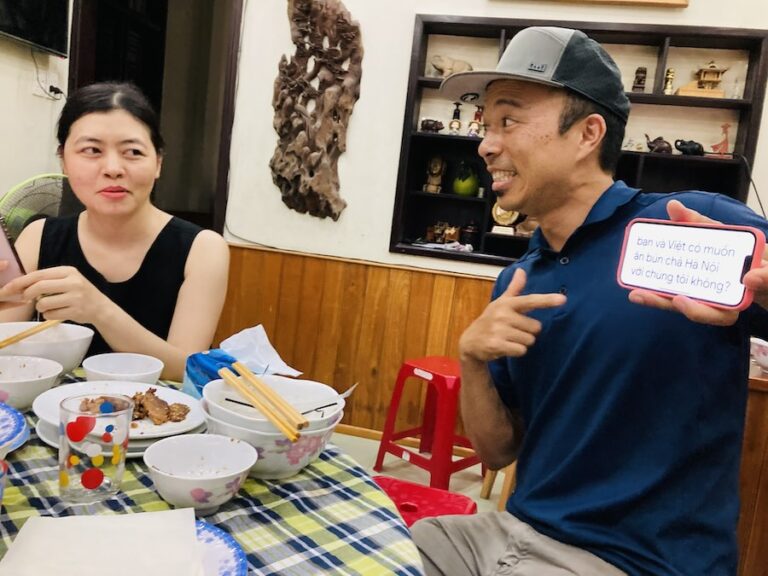
If your Spanish is limited, your phone can fill a lot of gaps. Google Translate works well, and many businesses use WhatsApp. I was able to message my questions to businesses on WhatsApp, which made it easy to use Translate and get clear answers in writing.
TIP: If you’d like to get comfortable with these apps before your trip, I walk through Google Translate, WhatsApp, and ride-hailing apps step by step in my Smartphone Savvy Travel course.
8. Carry cash and cards
As always, we used our no-fee ATM cards to take out cash in the local currency, soles. We paid with a combination of cash and credit cards.
Keep small change on hand for buses and markets. We deliberately visit a shop early on to break larger bills before we need change.
Many businesses add a fee of around 3% for credit card payments, so cash can be a better deal.
More on this in our guide to cash, credit cards, and ATMs for international travel.
9. Get a Peru eSIM
We each used an eSIM for data, and it worked really well. Because we’re careful about how much data we use, we each paid less than $20 for the whole month and still had plenty left over.
If you’re visiting other countries on the same trip, look for a regional data plan instead of Peru-only.
Learn more (and find our discount code) in our eSIMs for travel post.
10. Take health precautions seriously
We heard of quite a few travelers who got sick in Peru, and not just from the altitude. Use the same best practices you would in any developing country:
- Drink bottled or filtered water.
- Be thoughtful about where and what you eat, especially raw foods.
- Check recommended vaccines and mosquito precautions for the regions you’ll visit on the CDC’s Peru travel health page.
It’s also a good reason to travel more slowly and stay longer, so a short bout of illness doesn’t derail your entire stay.
Fortunately, both Cusco and Arequipa have English-speaking medical services specifically to help tourists and any pharmacy can provide you with prescriptions based on your symptoms.
We received prompt service navigating medical questions from both of these:
- Arequipa: Medical Assistance (Facebook or WhatsApp)
- Doctor Cusco (Facebook, Email, WhatsApp, or website)
Frequently asked questions about visiting Peru
Can you visit Peru without going to Machu Picchu?
Yes! We spent over a month in Peru and made two visits without going. Cusco, the Sacred Valley towns, and Arequipa offer plenty of ruins, markets, food, and culture, often with fewer crowds and lower prices.
Should I visit Arequipa or Cusco first?
If you have the time, start in Arequipa. It’s mid-way in altitude, so it gives your body a chance to adjust before Cusco. If you’re flying straight to Cusco, consider spending your first night or two in the Sacred Valley, which is also lower.
Is Uber available in Peru?
We used Uber in Lima, Arequipa, and Cusco. It worked decently well in the city centers and was usually a bit cheaper than taxis. We occasionally did experience multiple cancellations and longer waits for a driver.
Do you need to speak Spanish to travel in Peru?
Not on the main tourist trail, where many people speak English. Outside of tourist-facing businesses, Spanish helps a lot. Google Translate and WhatsApp messaging can cover you on most situations though.
How much does food cost in Peru?
At the time of our visit, a set lunch (menú del día) or set breakfast cost as low as 6 soles ($2 US) and around 30 soles ($9) at a nicer restaurants. We averaged $5 – $12 per person when eating out. Groceries were also cheaper than what we’d pay in the States.
More travel resources for your Peru trip
- 📱 Master phone travel essentials with our Smartphone Savvy Travel course to travel safely, confidently, and connect with locals.
- 📶 Stay connected with an eSIM – learn how and look for our discount code in this eSIMs for travel post.
- 🛏️ Pinpoint perfect accommodations efficiently and avoid disappointing stays with our Smart Stay Finder course.
- 🔎 Find local events and hidden gems with our Hidden Highlights course.
- 🛟 Outsmart today’s scammers and thieves, and learn how to choose travel insurance, with our DIY Trip Security Spotlight.
- ⛑️ Protect your Peru trip with travel insurance – We have personally used SafetyWing and the InsureMyTrip marketplace.
For further reading:
Like this post? Pin it for later or share with friends!