Tips for Travel in Bangkok
Bangkok is actually one of the most popular travel hubs in the world. If you have been backpacking Southeast Asia and need some time to refresh in a city, you are traveling to Bangkok for work, or you’re stopping through on a long layover, this post will help you make the most of your visit.
This post on budget travel tips for Bangkok was originally written by our friend and fellow intentional traveler, Karen Bortvedt, while she was serving with the Deaf Development Program in Phnom Penh, Cambodia – with some additions by Ivan Tannenberg of Mind The Travel.
Now that we’ve visited Bangkok many times ourselves, we’ve added our own Bangkok travel tips and recommendations as well. Enjoy!
Quick Bangkok Travel Tips
- ✈️ Airports: Bangkok has two airports Suvarnabhumi (BKK) for most international flights, Don Mueang (DMK) for low-cost carriers
- 🚆 Getting around: Use the BTS Skytrain, MRT subway, or Grab app (tuk-tuks are fun, not efficient or cheap)
- 🏨 Best area to stay: Silom for easy metro access, great food, close to Lumphini Park and the river
- 📅 Best time to visit: Winter months for cooler temps and lower humidity
Updated: May 2026. Originally published: Summer 2016.
Note: Prices mentioned below reflect costs at the time of visit and may have changed.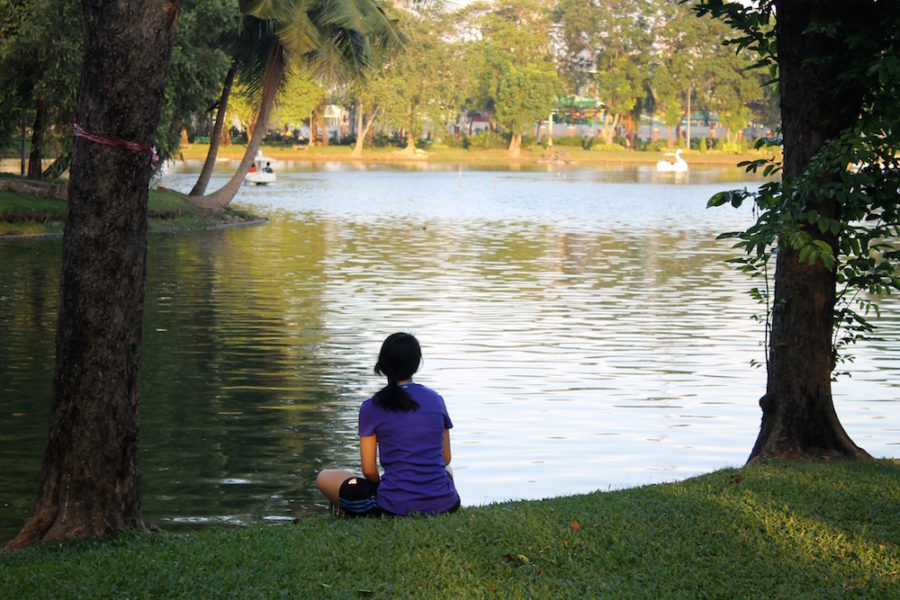
Table of Contents
Bangkok Airports: What You Need to Know
Before arriving in Thailand, make sure you’ve completed the required online entry process, even though you get a free visa on arrival.
Bangkok has two different airports (BKK and DMK) so it is important if you are arranging ground transportation, you know where you are arriving.
Our experience is mostly with BKK so that is where we will focus.
Once you clear immigration, the airport is very… energetic. So, it is much easier to get yourself in order prior to exiting. Use the bathrooms right by immigration (there is also a drinking fountain there). In 2026, the lines at BKK immigration were up to one hour.
If you do not have any baht, there are ATMs prior to exiting customs as well as money changers.
Once you go through immigration and customs at BKK, you will exit to the main airport. The ‘energetic’ part.
There are a number of counters where you can purchase a sim card for a phone, if you would like, and also places to get a free map of Thailand (I highly recommend grabbing one if you are a paper map person).
TIP: Navigating connectivity abroad can make or break your travel experience. If you want to feel confident before you land, our WorldWide Connectivity and Smartphone Savvy Travel tutorials walk you through exactly how to stay connected anywhere in the world.
For BKK, your cheapest transport option is the Airport Link Metro/Subway/Tube/Train/Light rail. Just head to the lowest floor in the airport to reach the station.
As of 2026, the Airport Link accepts foreign credit cards at the turnstile scanner and will automatically charge your card based on distance when you exit. However, connecting subway and metro lines don’t use the same system.
It is best to know your destination and where to transfer. If you are unsure, just go to the window and you can purchase your ticket from the lovely sales person and they can try to help you figure out where you are going.
For DMK, there is a low cost commuter train that will get you into the city and to the metro (from which you can get almost anywhere). There also appear to be some shuttles, a number of city buses, and, of course, taxis out of DMK.
Grab rideshare app removes the language barrier that may occur with taxis. You can input your final destination and pay through the app.
Driving is not necessarily faster than public transit, due to traffic. And Grab does cost more, but it’s still affordable by Western standards.
Bangkok Transportation
If you are trying to get from the airport, this lovely transit website can help you figure out where to transfer to reach your lodging and has options from both airports listed.
Keep in mind the BTS, BRT, MRT, and Airlink metro train lines are all independently operated, which means you purchase a ticket to the station where you will transfer. Exit the station and follow the signs to connect to the next station, which has a different name.
At the time of this writing, you can tap your credit card on MRT (Blue and Purple lines), SRT Red line, and the Airport Rail Link. However, the BTS Skytrain and BRT do not yet accept direct credit card taps at turnstiles.
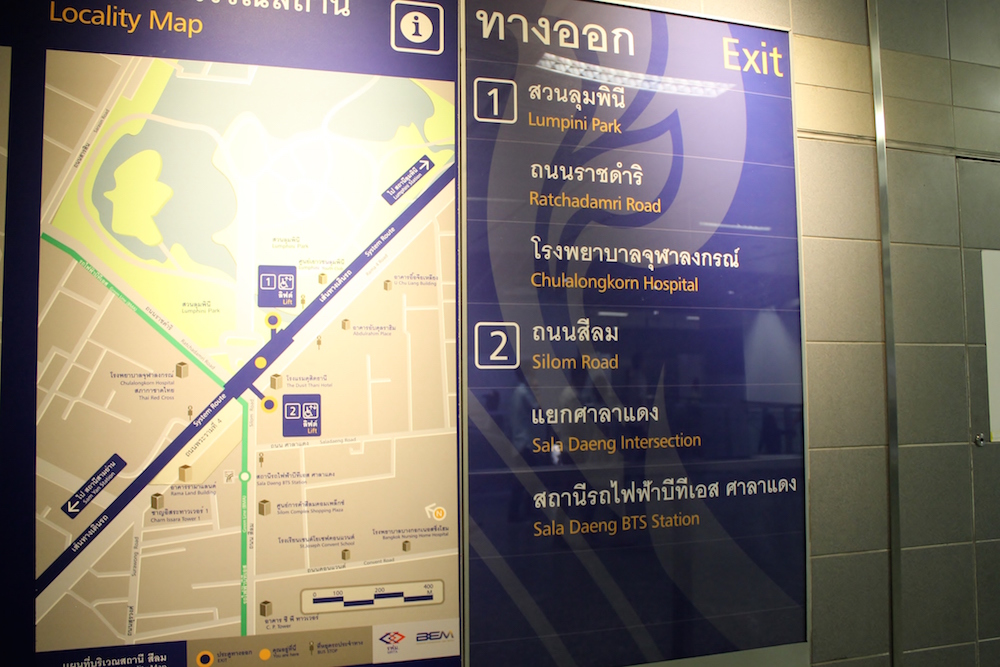
Most stations have multiple exits, so it is best to know which exist you should use before leaving the gated area. Most stations have signs that clearly indicate major destinations and the appropriate exit.
If you go out the wrong exit, the worst that will happen is you get to walk around the block and take in the scenery.
Tuktuks are far more expensive than taxis here. They are also not usually metered so definitely not your best option.
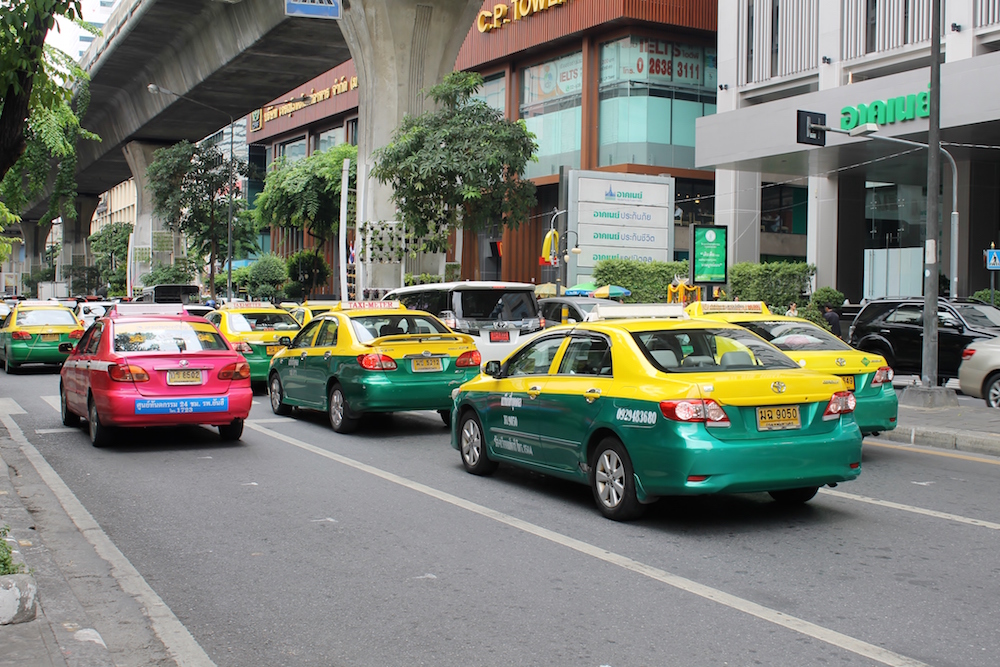
Taxis are everywhere. It is best to try to know which direction you are heading and catch a cab heading that same direction (even if it means you having to use a footbridge and cross a busy street). Many roads are one-way, have medians, or do not allow turns so it is not easy for a taxi to just turn around, thus, it saves you a lot of money and time to cross the street to get to the taxis heading in the direction you want.
Taxis are metered. Make sure they use the meter. At night on major roads, some taxis will not want to use their meter. If you can catch one on a side street, you are more likely to find one that is not a part of the “Main street Mafia,” as one taxi driver called them.
Grab is a rideshare app much like Uber that’s common in Southeast Asia. Using the app removes the language barrier that may occur with taxis. You can input your final destination and pay through the app. You can select a regular car – or a motorbike.
Motos are prevalent, usually have an extra helmet, and are commonly used by Thai commuters as they can weave through traffic much faster than other vehicles.
If you’re traveling onward from Bangkok, BookAway is a handy site to pre-book transportation tickets in Southeast Asia online and in your own currency.
Compare and book Thailand transit tickets on BookAway here >
Bangkok Transportation Safety Tips
Generally, Bangkok is a very safe city to visit. But when visiting Bangkok, there will be situations when you’ll need to be extra vigilant.
There are a number of different scams in Bangkok, most of which seem to revolve around cab and taxi drivers. To avoid some of the most common of them, stay away from tuk-tuk drivers that approach you in the middle of nowhere. If you agree to go, chances are they just won’t turn on the meter and ask for a fixed, overcharged fare.
Some tricky scams involve using a modified meter so you end up paying way more than with the normal meter. You can easily get around the city by using the Grab app. A more convenient and secure option. Another great way to see the city is to try the BTS Skytrain, MRT subways, ARL airport links, and the BRT express buses. They are all cheap and reliable.
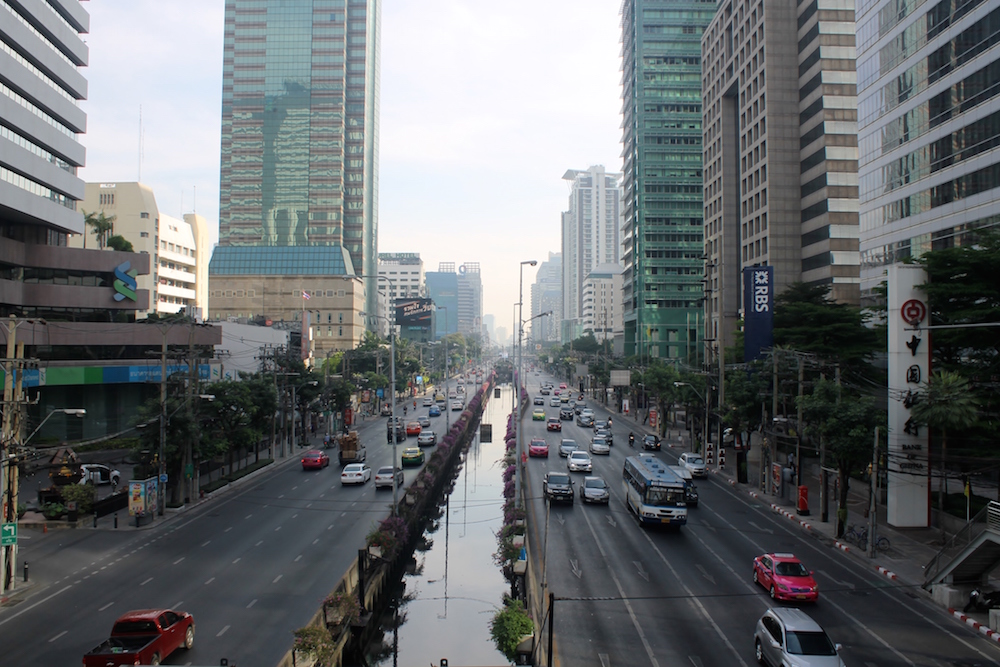
When walking in Bangkok, many major roads have elevated foot bridges to cross to the other side of the street. It is advisable to use these instead of cutting across streets, especially if locals are not cutting across the streets.
Unlike in some other Southeast Asian cities, cars move quickly here and do not seem to have the same norm of winding around pedestrians that you would encounter in Vietnam, for example.
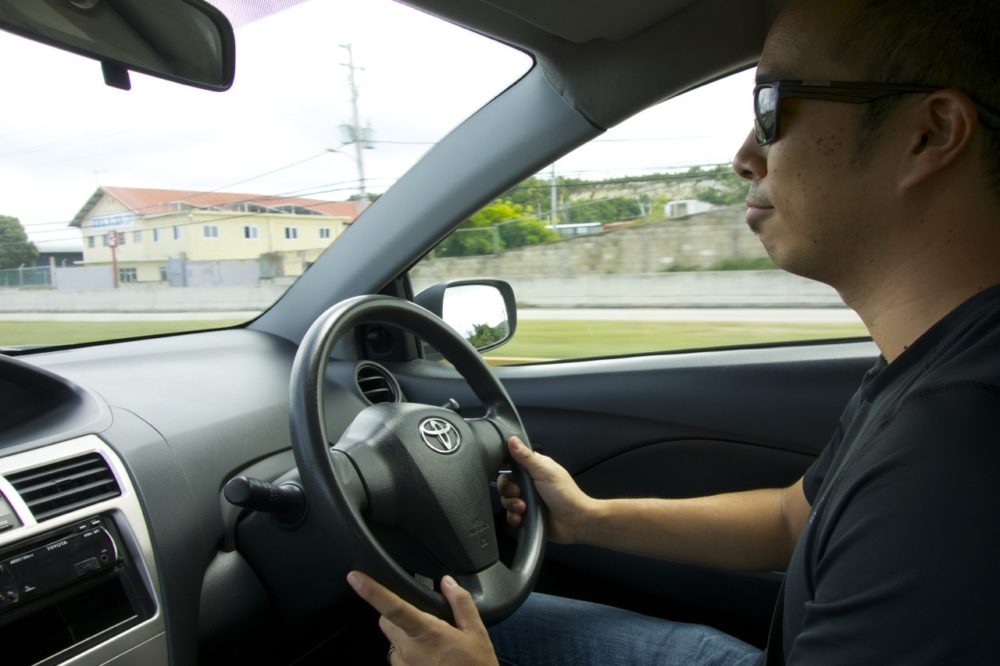
Also, remember cars drive on the left side of the street (so look over your right shoulder to make sure no last minute left-turner is about to make you into a pancake).
Walking is very common and easy to do in Bangkok.
Lodging & Where to stay in Bangkok
My personal recommendation of where to stay is in the Silom area, or close by.
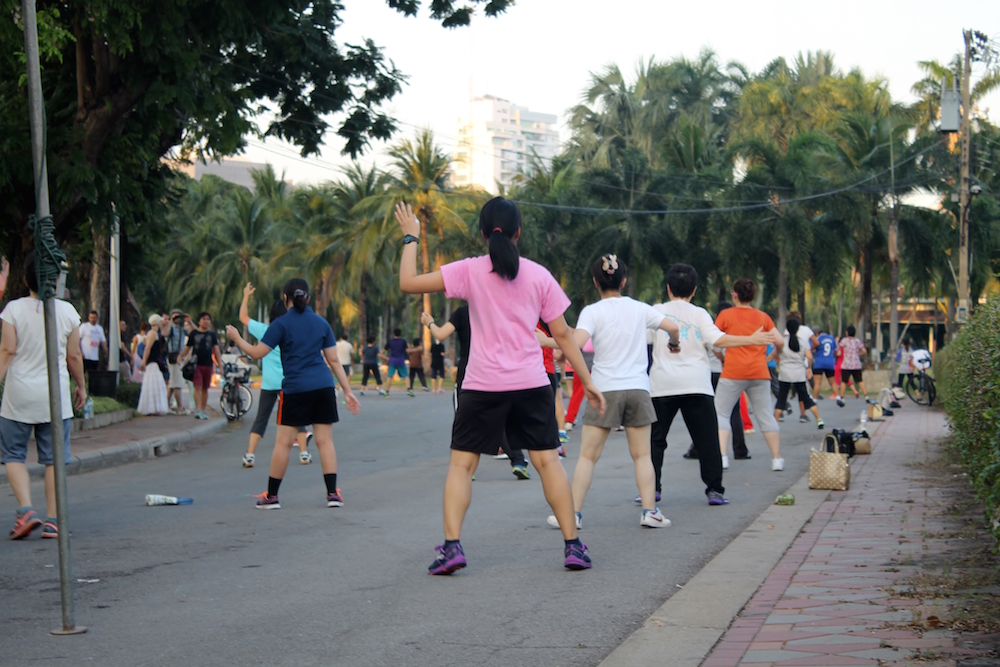
The number one reason is easy access to Lumphini park. This is the best people watching in the area, a great place to go and exercise, read a book, walk and contemplate the meaning of life, ride the swan boats, etc.
The city surrounding it is a bit chaotic and active, but inside the park is a different, peaceful, serene world.
This area is also very close to a number of hospitals, if you are coming for medical tourism or just want a low cost annual physical.
Karen’s personal recommendation is Bangkok Nursing Home Hospital (BNH) on Convent Road. It is like walking into a 5-star hotel. Their hospital restaurant specializes in cheese cake, so it must be a good place.
There are MANY food options from low-cost street food to mall food courts to higher priced sit down restaurants in Silom area. Plus many coffee shops. Almost any food you may desire is in this area, including good vegetarian options.
This area also has both a BTS and MRTA metro station so you can easily walk or catch the train anywhere you want to go.
And, at night, the streets are filled with vendors selling anything you could possibly imagine.
Plus, it is not a far walk to the river where you can catch water taxis to the Reclining Buddha, Royal Palace, and a number of other attractions.
From fancy hotels to guest houses to hostels, lodging options at every price point are available in this area.
Always ask your hotel/guest house for a business card if you may be taking taxis. These are usual in Thai and you can show them to the driver so they can easily get you home.
Best Time to Visit Bangkok Thailand
Want to have a pleasant trip and no rain? Then make sure you’re aware of the weather.
Bangkok might not have a distinctive change of seasons like you can see in most European countries, but some months are still far more enjoyable than others.
In general, to get the most out of your trip consider going either February to March or late October to mid-November.
During this time, daytime temperatures may fluctuate a bit below 30°C/86°F with relatively low humidity. This is also Thailand’s high season, so you can expect prices to be slightly higher overall.
During the hot season, from March to June, daytime temperatures can often reach 40°C/104°F with humidity levels of 76%. Expect to sweat if you’re looking for some summer vibes pack light, cool, and comfortable clothing.
Since Bangkok enjoys a tropical monsoon climate, Bangkok’s wet season runs from July until October.
Although some people expect non-stop downpours, the city sees both rain showers (usually in the late afternoon) and fine days with a lot of sunshine. Contrary to popular belief, the rainy season is a great time to enjoy Bangkok’s sights and attractions.
In addition, hotel prices are at their lowest during the low season.
Other Bangkok Tips and Tricks:
Food courts can be found in office buildings and malls on nearly every corner. Budget-friendly food courts frequented by locals often require cash and a pre-loaded payment card. So you cannot pay an individual vendor directly.
Check for a machine or desk where you can obtain the required card and add money to it. It’s rare that they’ll take credit card payment.
They’ll often refund any remaining balance when you return the card, but just in case, we try to estimate our expense by checking menus first so we can load the exact amount onto a card.
ATMs in Thailand are everywhere. Usually, there is a 200 Baht fee for use and an additional fee for a receipt, so read carefully.
One word of advice: learn from my mistake… The ATMs here will give you your cash BEFORE giving you your card. This is the opposite to my current homeland of Cambodia…
DO NOT WALK AWAY WITHOUT YOUR CARD.
The machine will eat your card up if you neglect to grab it quickly enough and the bank has no way to open the machine. To get back your card takes a long process of forms and multiple days waiting. Not great when your flight leaves in a just a few hours…
Looking for things to do in Bangkok? Check out our Bangkok GoCity Pass Review.
✈️ Protect your Bangkok trip with Travel Insurance – We’ve started using Nomad Insurance by Safety Wing for affordable evacuation, international medical, and trip coverage.
ᯤ Stay connected with an eSIM – learn how and look for our discount code in this eSIMs for travel post.
What travel restrictions and rules are in place in Thailand?
Find travel updates for Thailand here:
What you need to know about Thailand travel right now
You might also like:
– Is the Bangkok City Pass worth it?
– Our Favorite Things to See, Do, and Eat in Chiang Mai, Thailand
– Your Perfect 10 Day Vietnam Itinerary
Like this post? Pin it for later or share with friends!